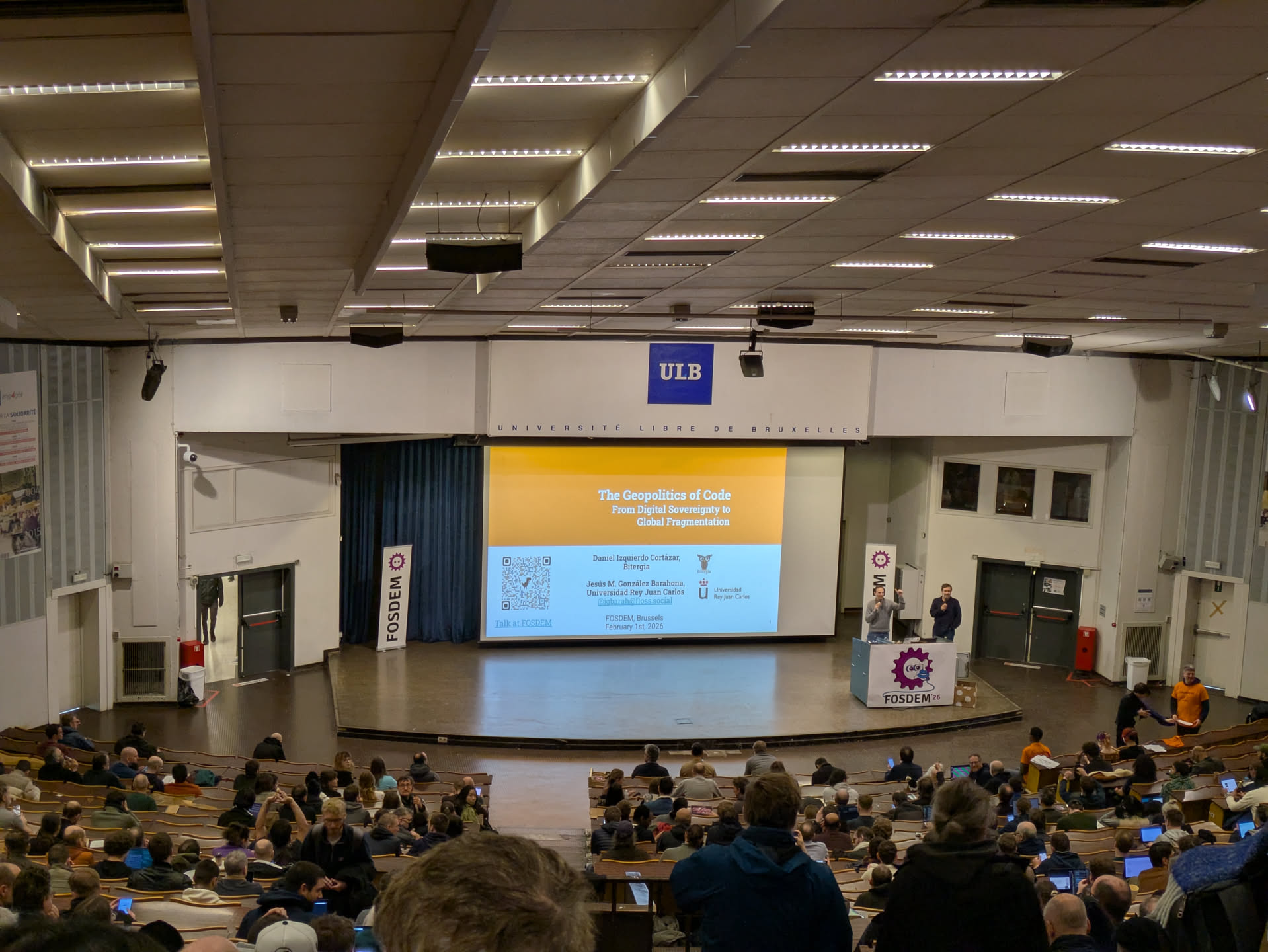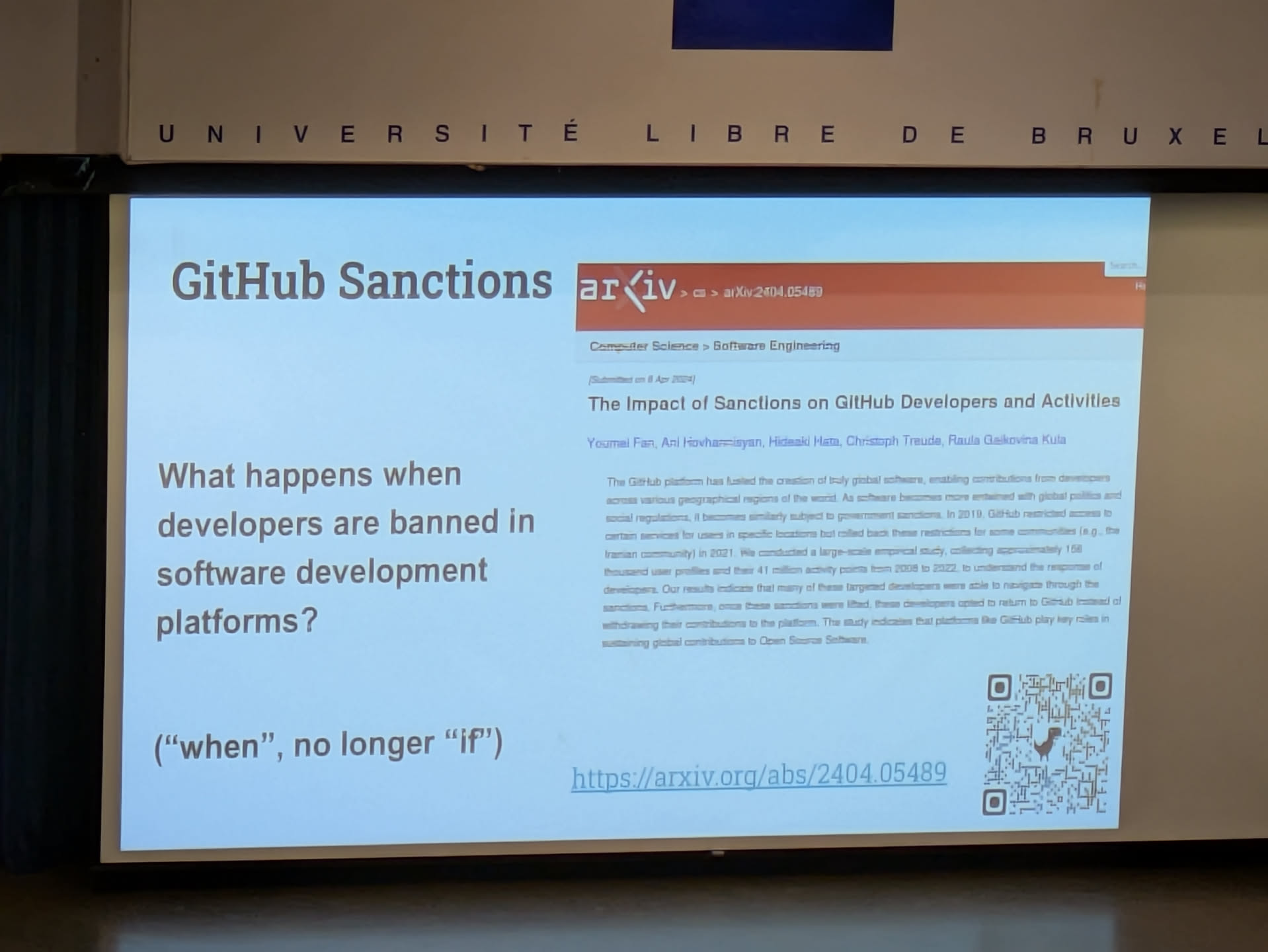
After ten years working in IT, it finally happened: I attended FOSDEM for the first time.
If you are not familiar with it, FOSDEM (Free and Open Source Developers’ European Meeting) is a free event where software developers meet to share ideas, collaborate and discuss everything related to Free and Open Source Software. Every year, thousands of developers from all over Europe and beyond gather in Bruxelles for a weekend.
I had wanted to attend FOSDEM since the early days of my career, but timing never quite worked out. This year, I managed to take a few days off and properly enjoy the weekend of January 31st and February 1st, 2026.
Let me get straight to the point: it was an amazing experience. I met and talked with hundreds of incredibly smart people, attended a wide range of interesting talks and had the chance to discuss with companies, communities and developers actively working on and investing in Free and Open Source Software. My brain was tired in the best possible way.
Location
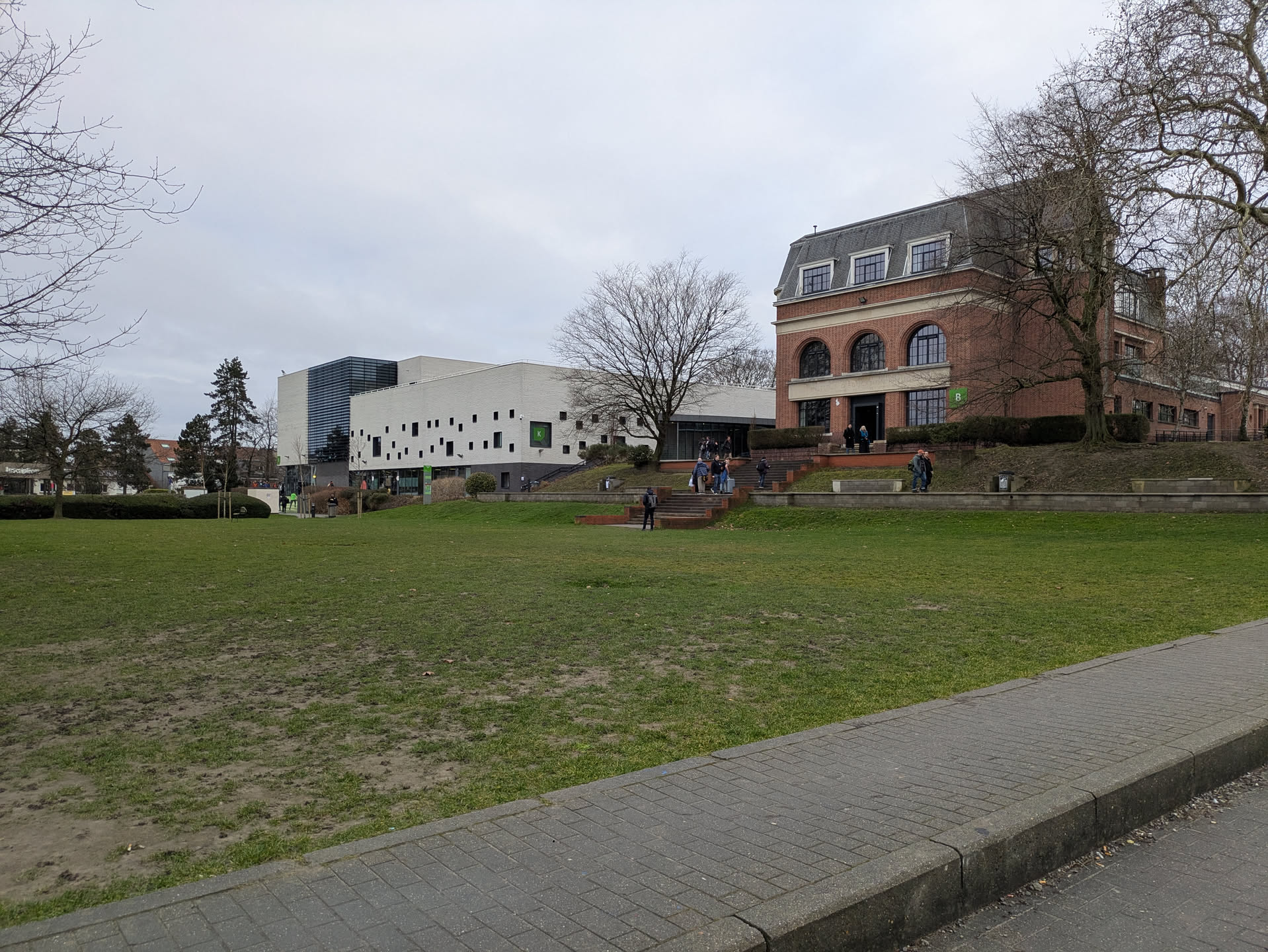
FOSDEM takes place at the ULB Solbosch Campus in Bruxelles, Belgium.
Most attendees usually stay in the city center. I did not. Due to a mix of lack of awareness and some bad luck (I booked the trip just a few weeks before the event), I ended up in a location that was not particularly convenient to reach either the city center or the university by walk.
Fortunately, Bruxelles has a solid public transportation system and there are plenty of alternatives such as taxis, Uber and Bolt, which is a European alternative to Uber. So while it was not ideal, it was manageable.
Take home: if you plan to attend FOSDEM, book a hotel near the city center. The advantages are many: easier access to public transportation, easier sightseeing and you are already in the right area for post-FOSDEM events. There are plenty of fringe events during the weekend. The only downside is that public transportation can be extremely crowded because, unsurprisingly, everyone is going to the same place. Consider it part of the authentic FOSDEM experience.
Talks
The event is very well structured and offers an impressive variety of talks and activities.
This year there were 1195 speakers, 1078 events and 71 tracks. Yes, those numbers are real and yes, they are mind blowing.
There is a mobile app called FOSDEM Companion that allows you to bookmark the talks you want to attend, view detailed maps of the campus and see where each room is located inside each building. The app also notifies you if a room is already full, which may happens.
The truly impressive part is that the entire event is organized and run by volunteers, who take care of everything during the weekend. If you ever wonder what well-coordinated chaos looks like, this is the gold standard.
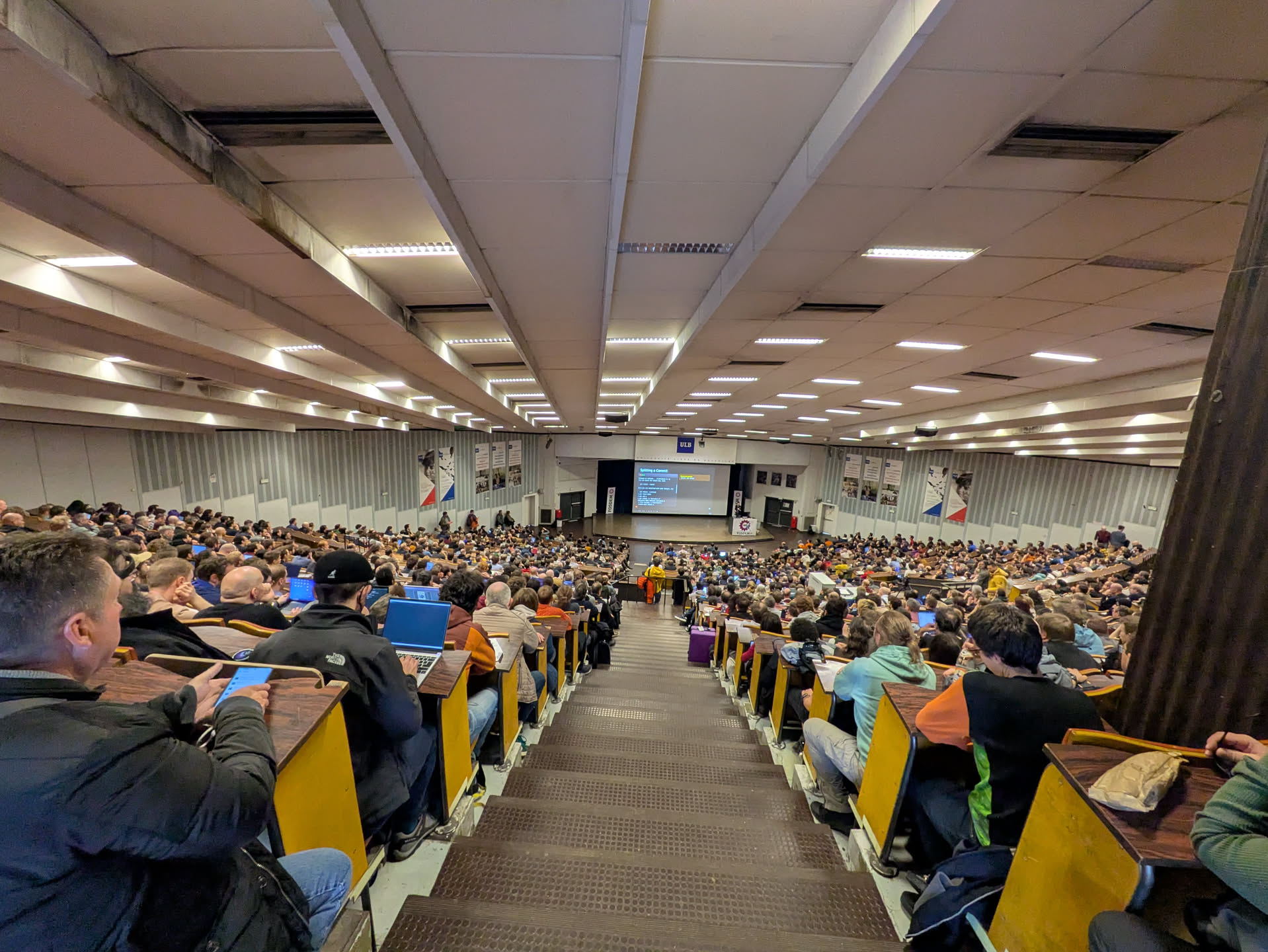
I carefully planned the talks I wanted to attend in person, but I had already been warned that room capacity could be an issue. That warning was accurate. The first talk I managed to attend on Saturday was after 1:00 PM.
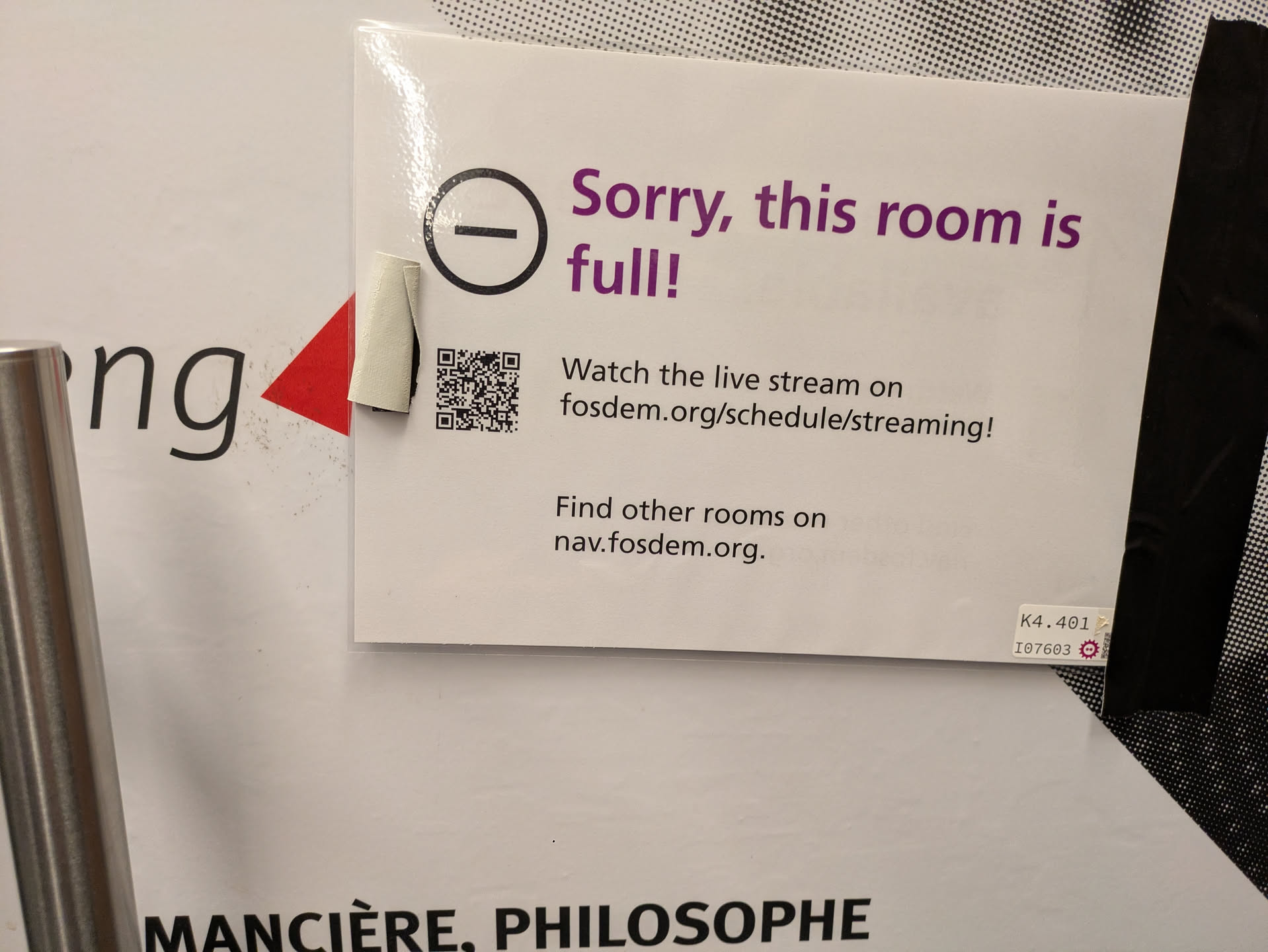
Take home: if you want to attend a popular talk, get into the room well in advance, even one hour before the start: the rooms are sufficiently big, but there are too many people.
To give you an idea, I wanted to attend two talks by Lennart Poettering, the creator of Systemd and the rooms were already full almost one hour before the talks began. Absolutely crazy and also very on brand for FOSDEM.
Note
If you cannot attend a talk in person, do not worry. You can follow it via live streaming or wait a few days to watch the recording, which will be published by the FOSDEM team on the official website. Use that time to meet and talk with as many people as possibile: that is the real FOSDEM aim!
Stands
Throughout the weekend, there are many stands from FOSS communities, companies and projects. You can check them in advance on the official page: https://fosdem.org/2026/stands/
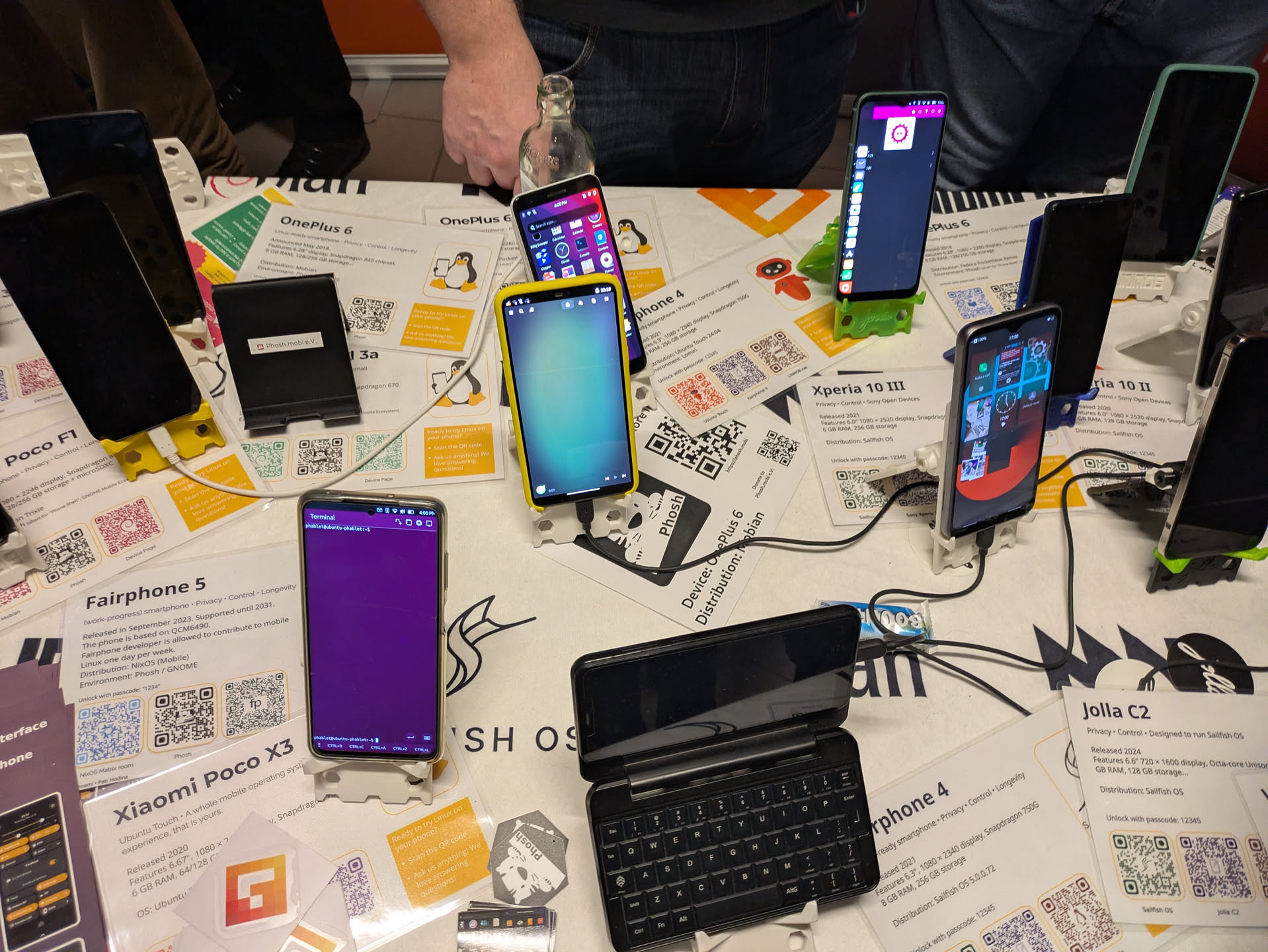
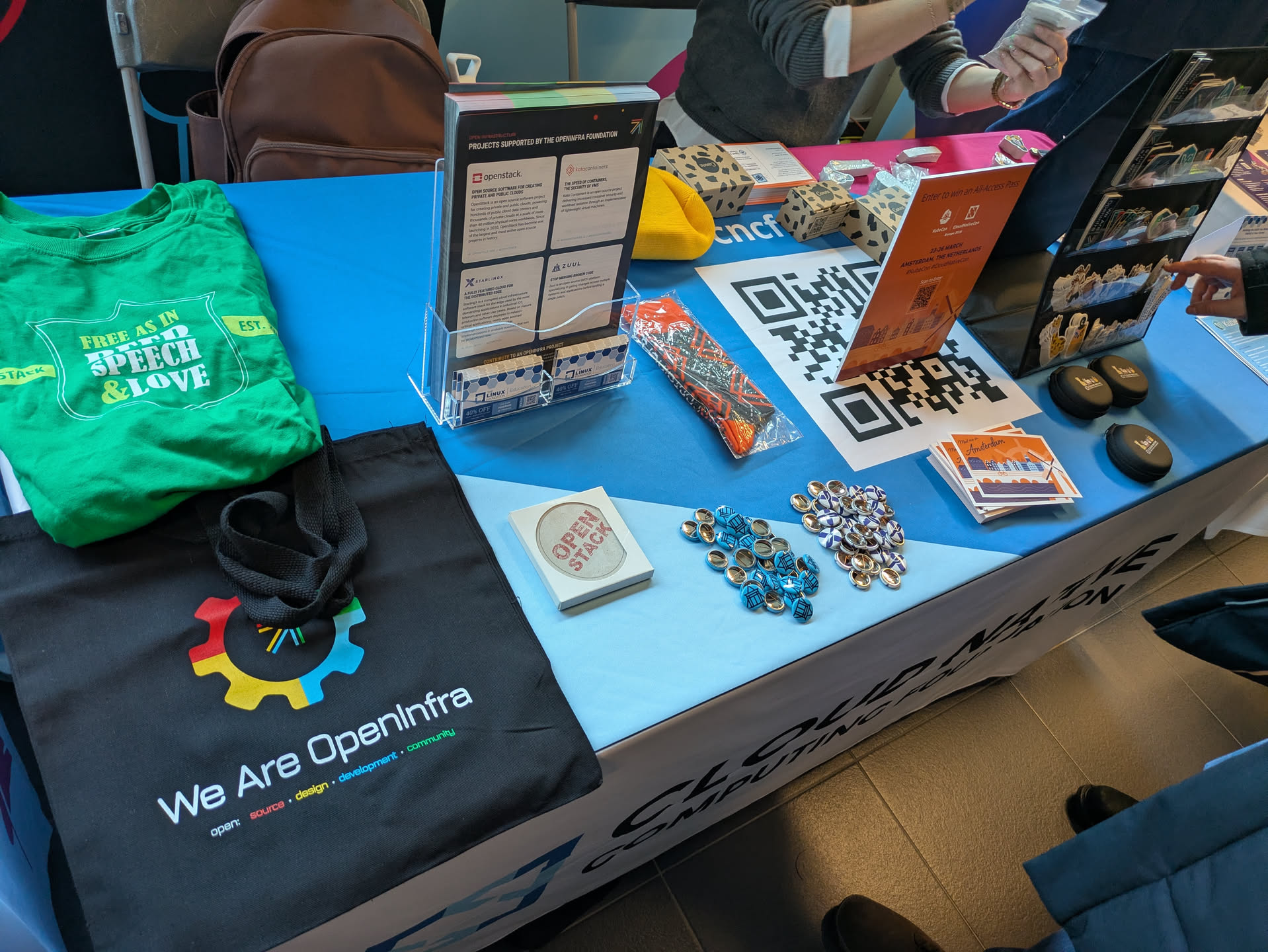
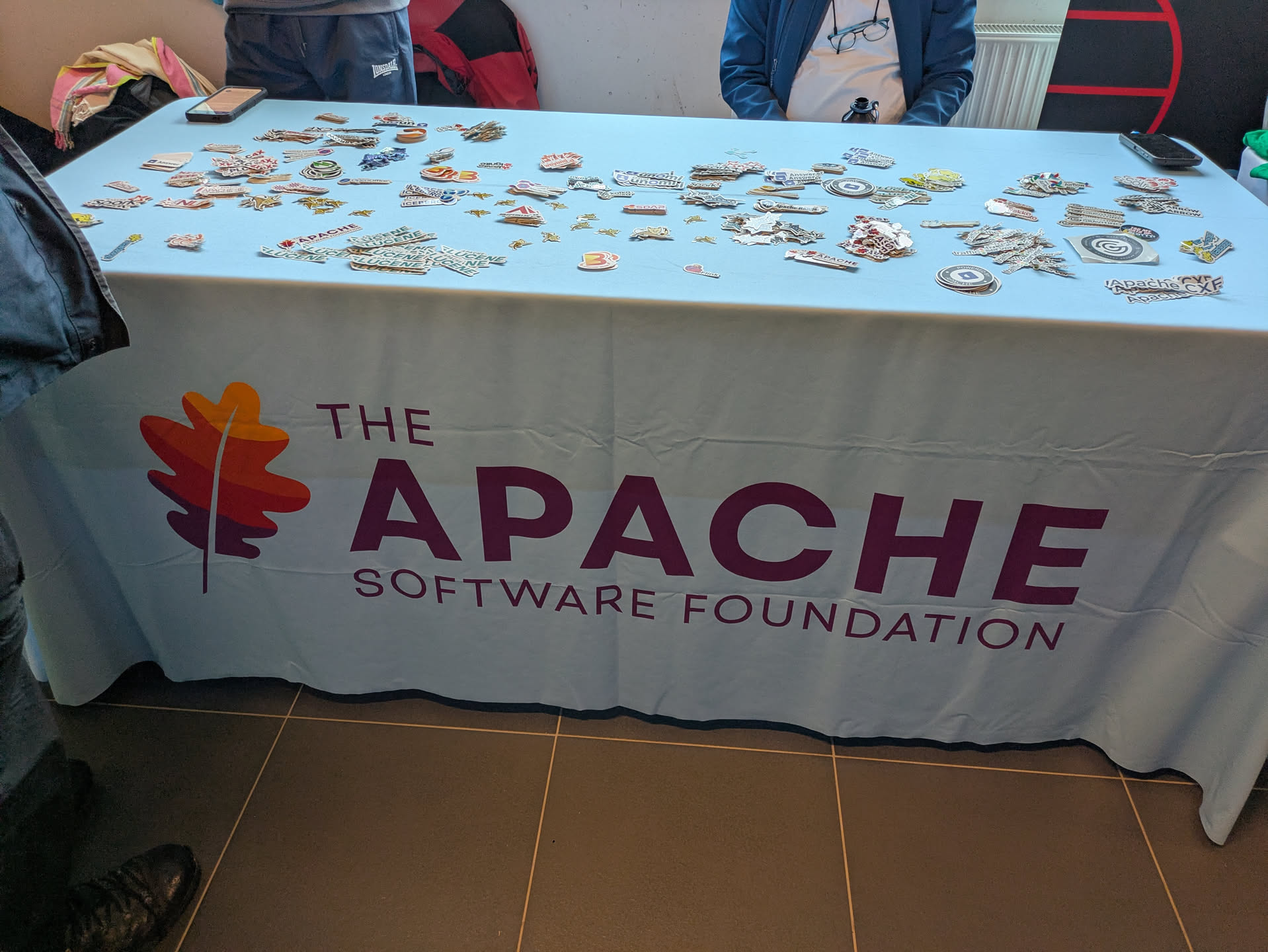
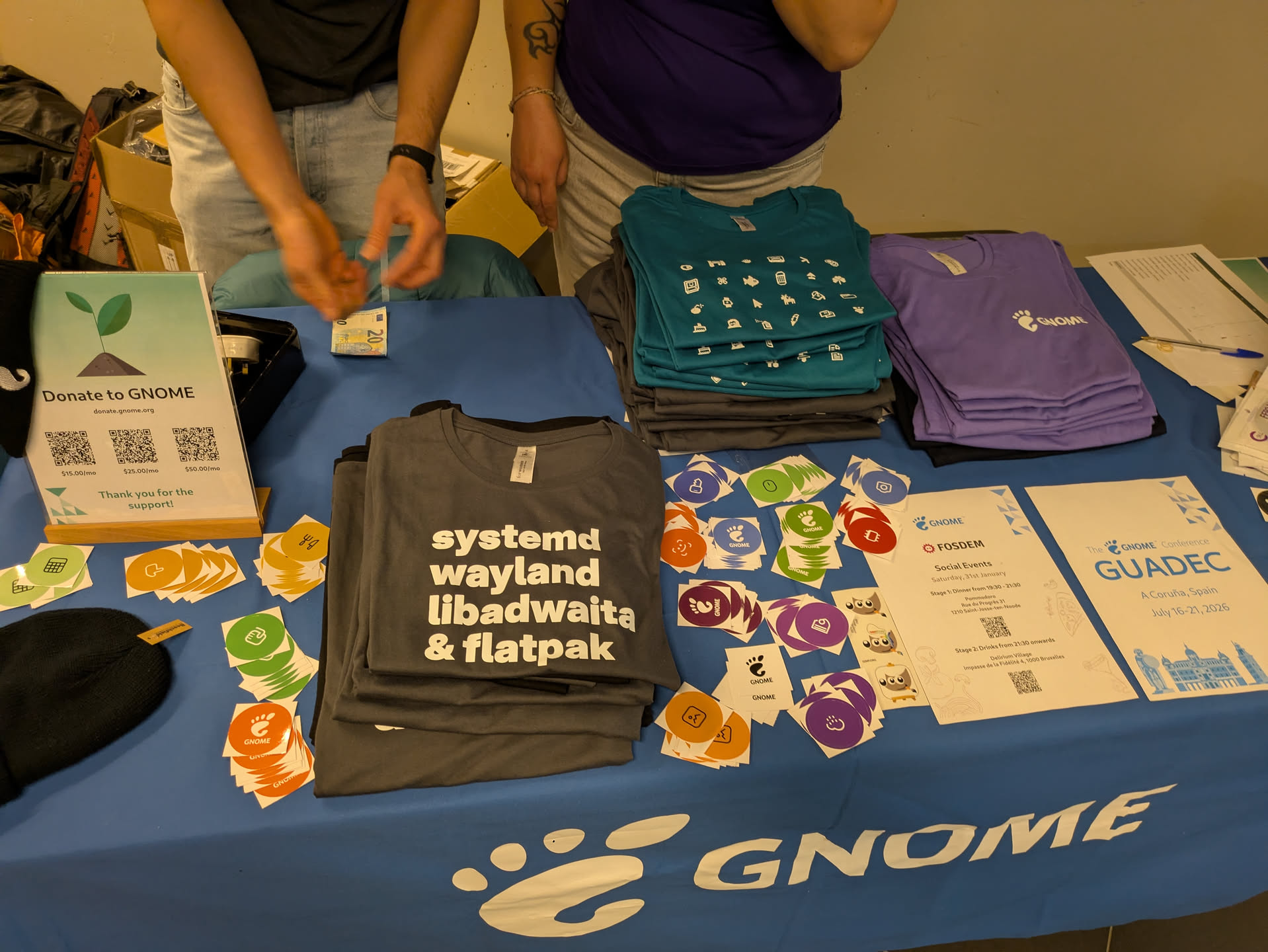
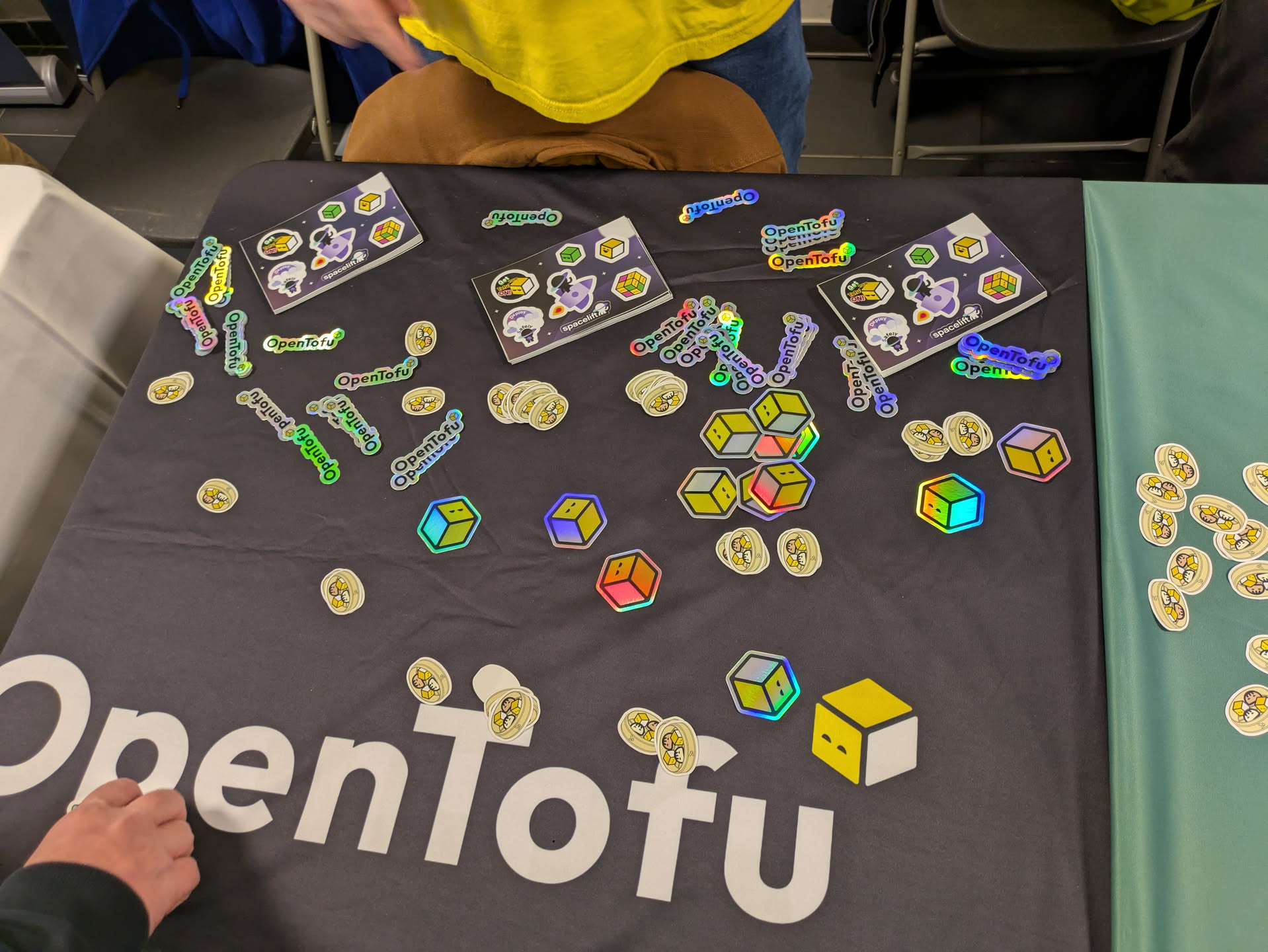
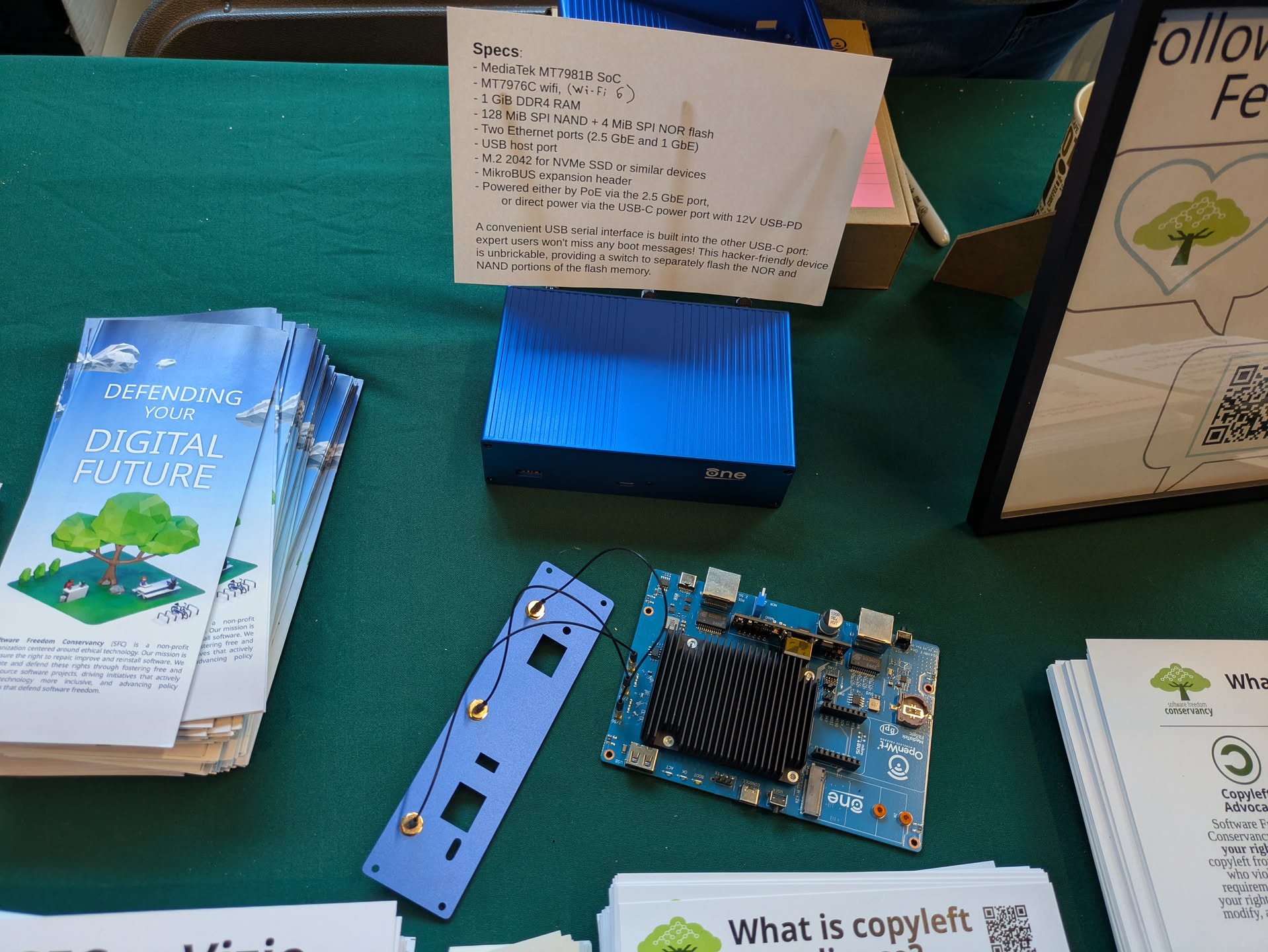
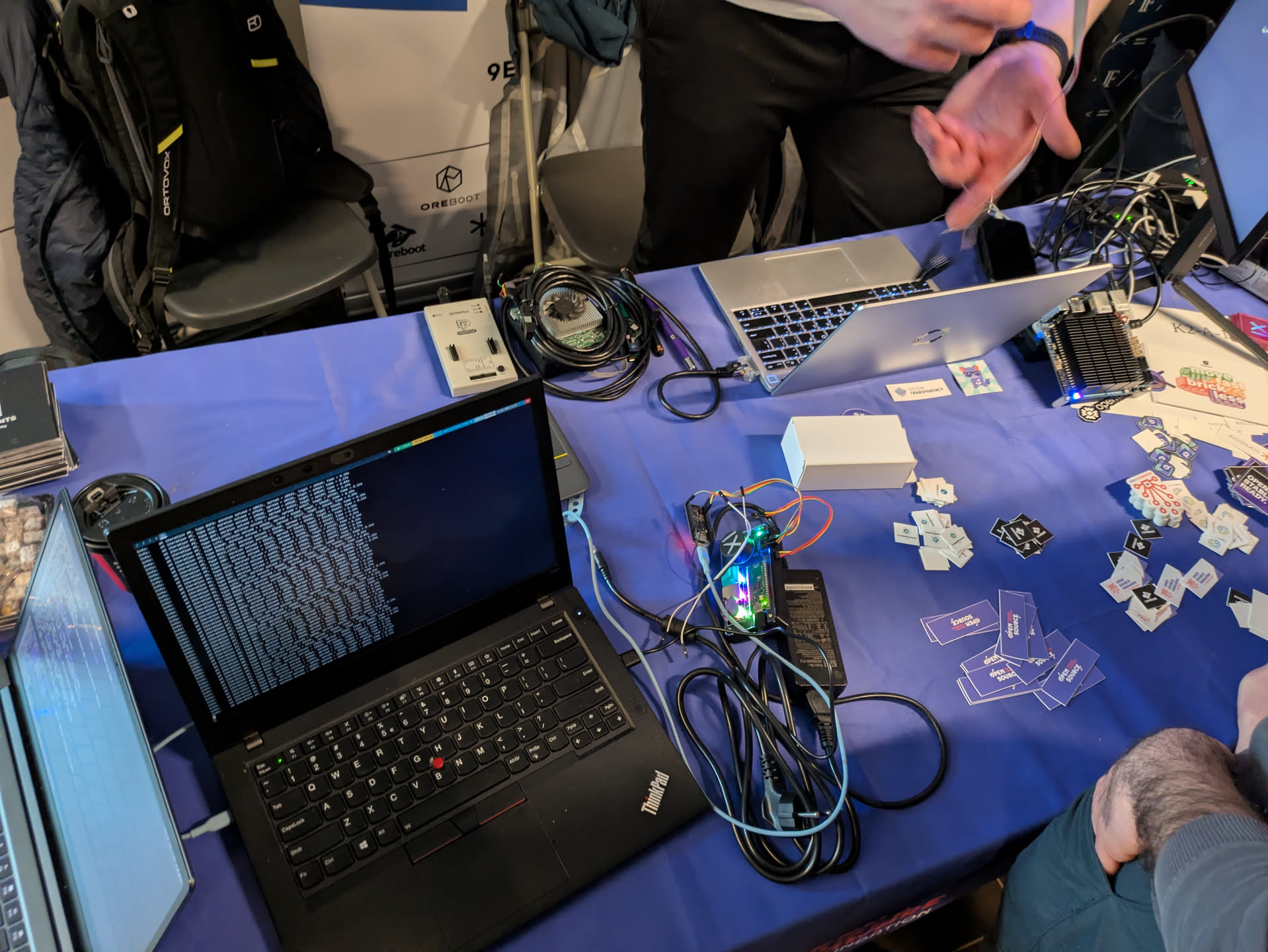
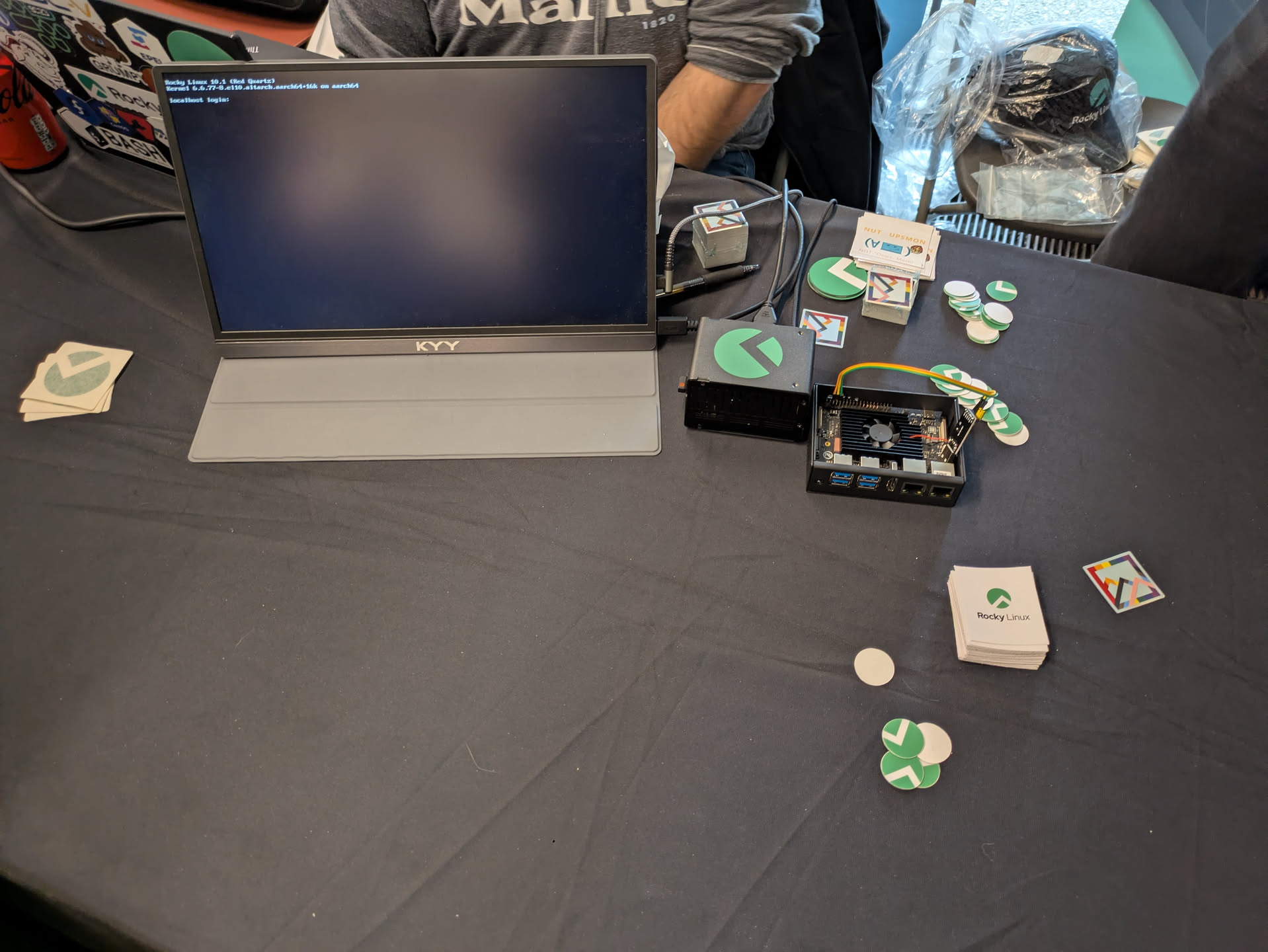
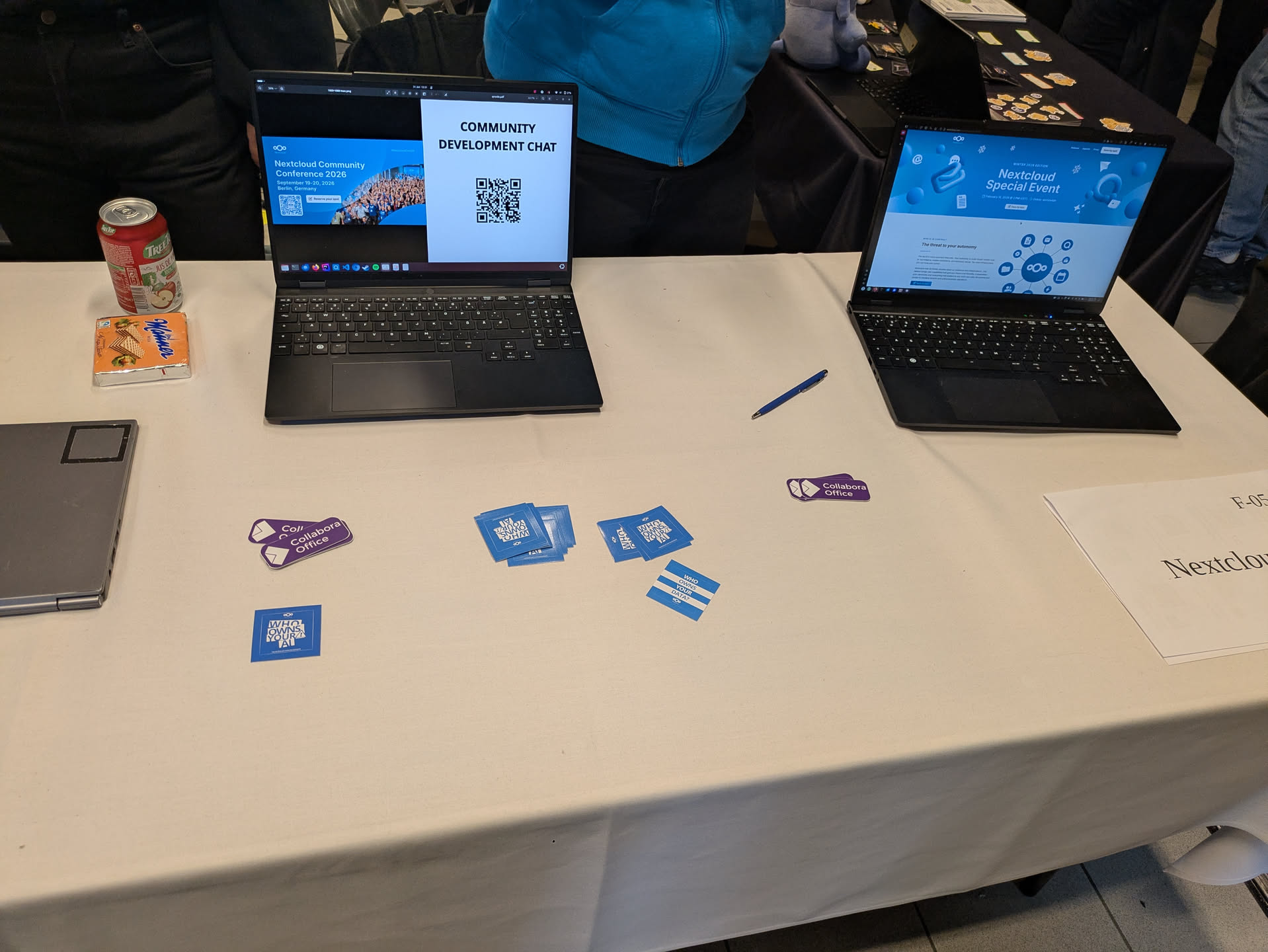
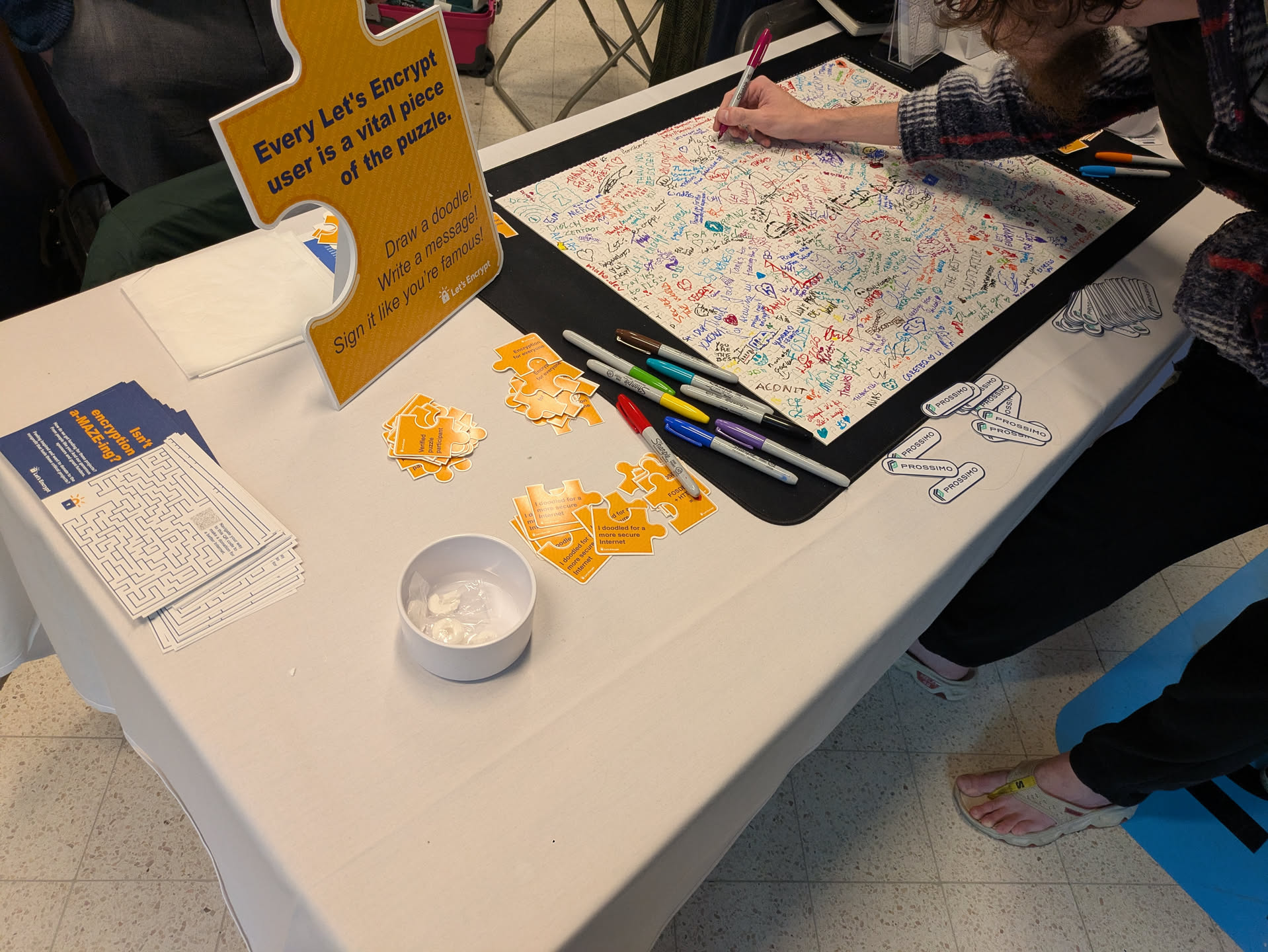
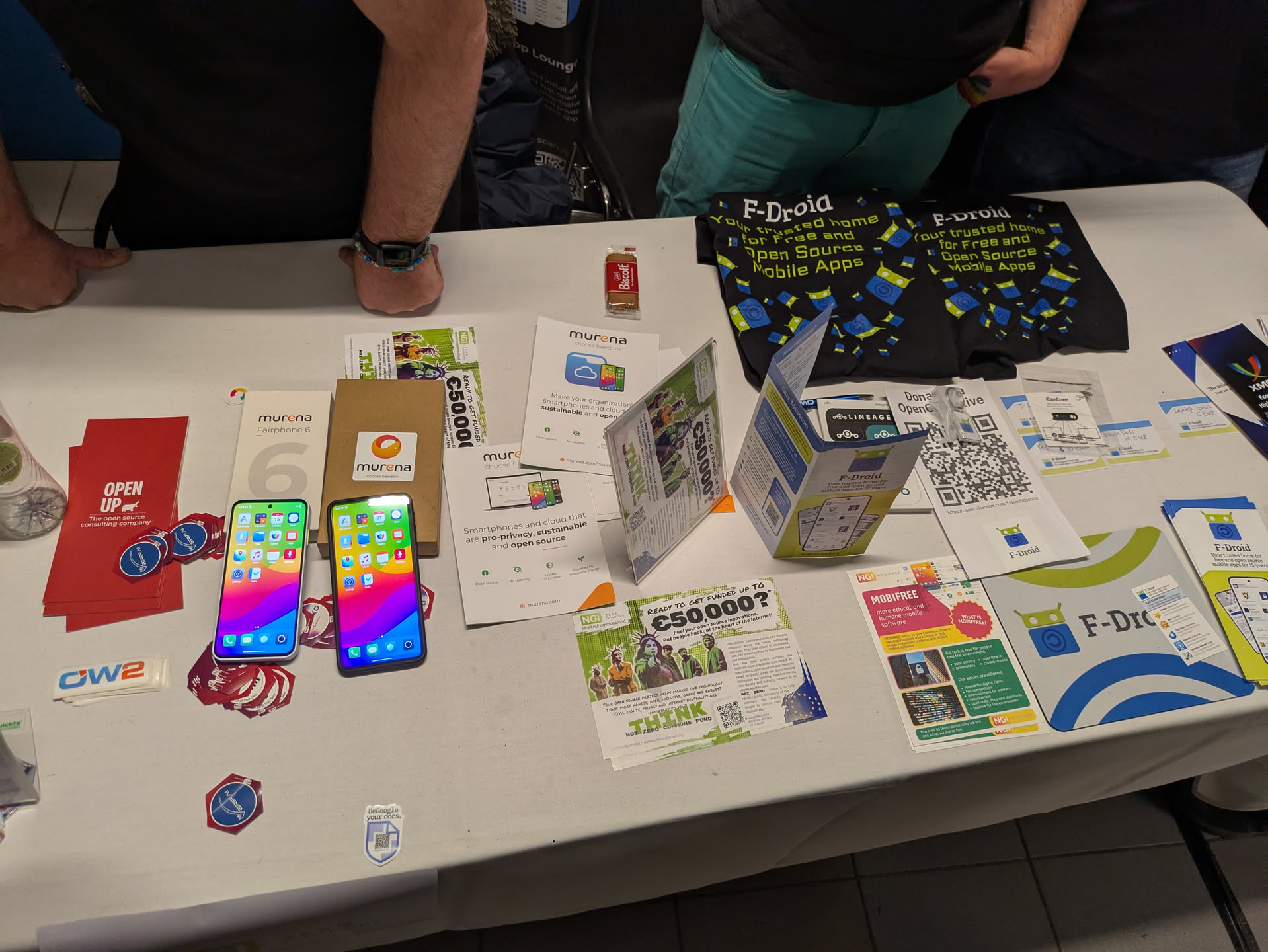
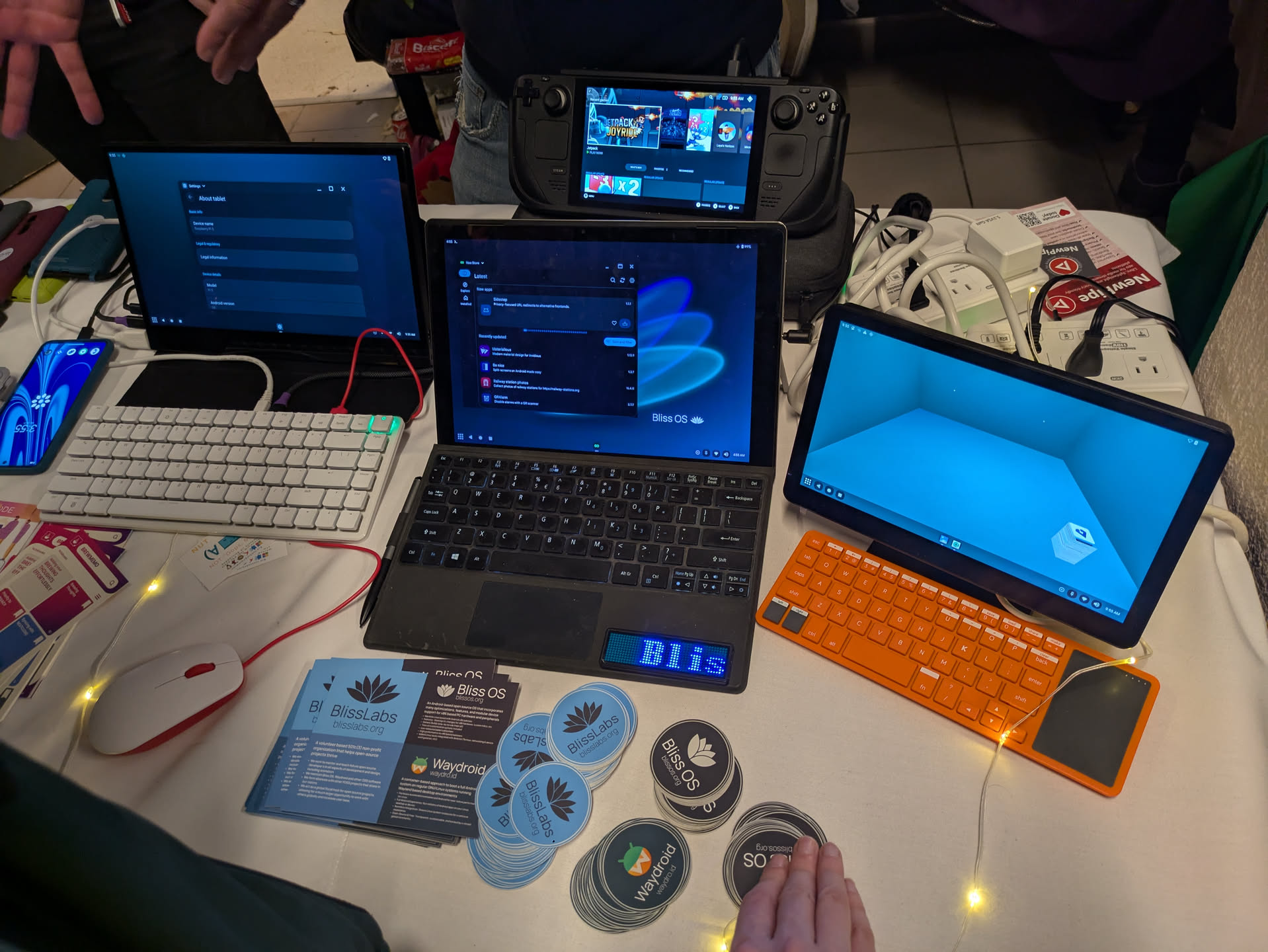
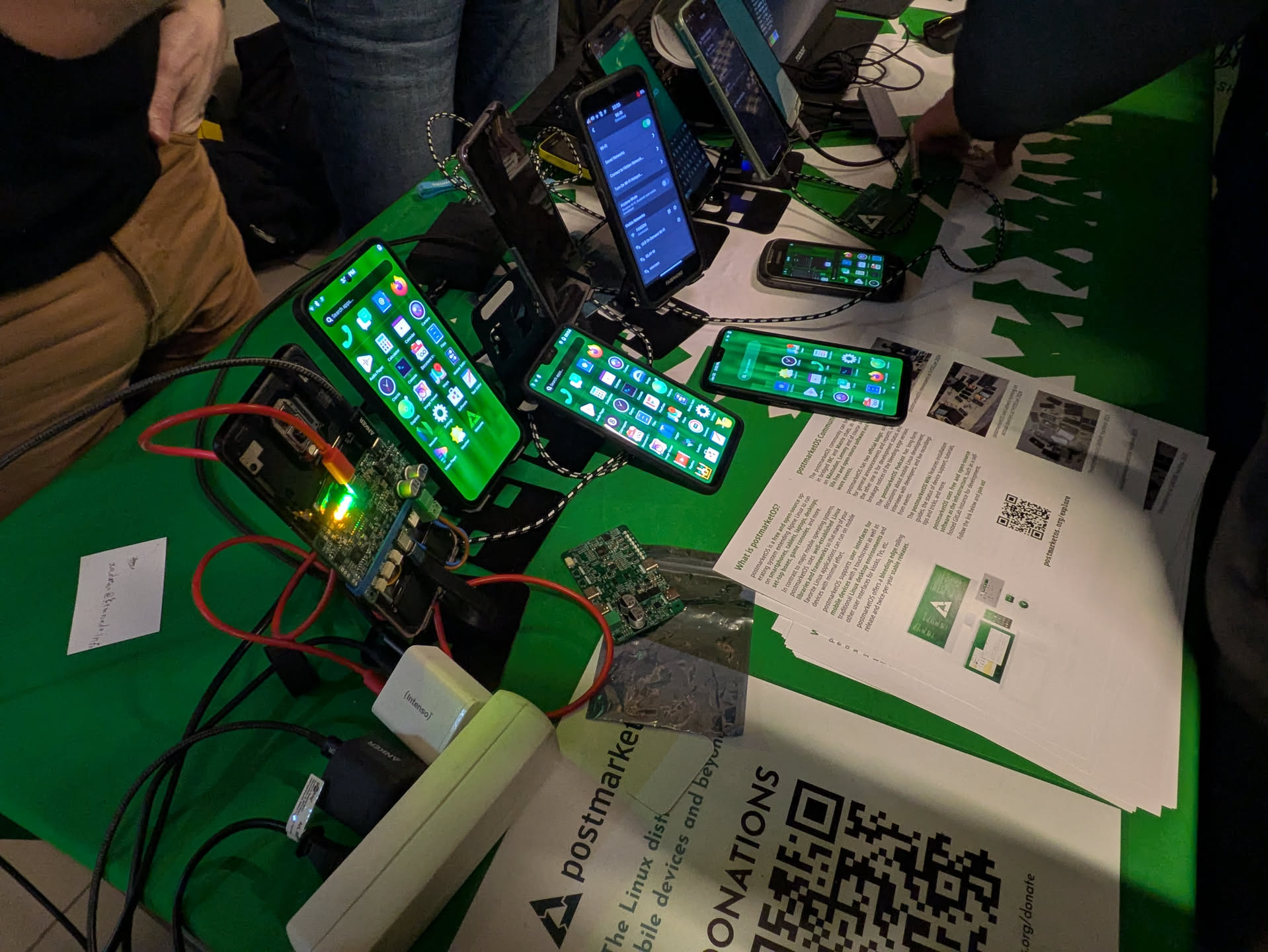
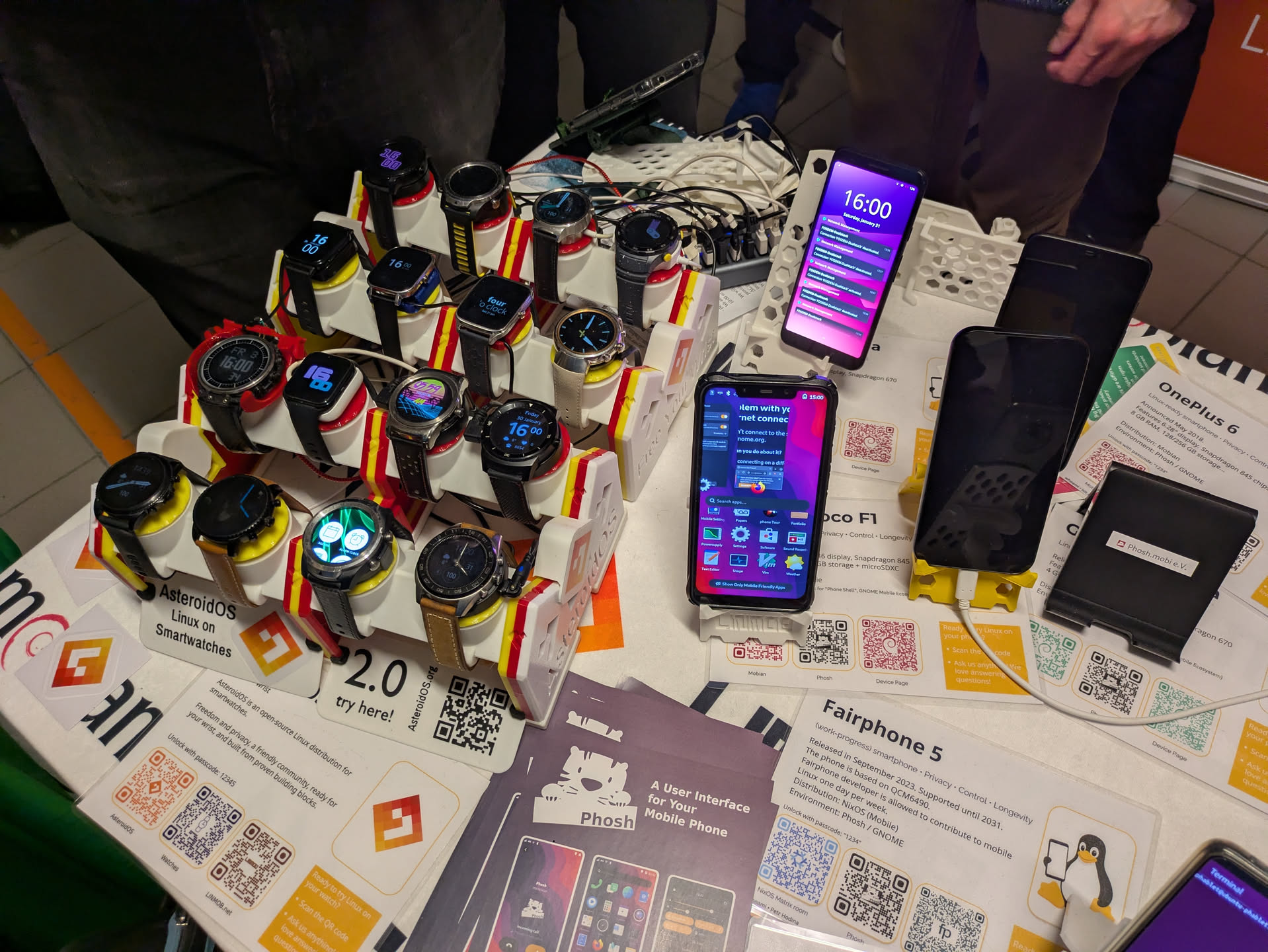
I met and chatted with people contributing to TinyGo, wolfSSL, OpenSSL, FSF Europe, Matrix Foundation, The Document Foundation, CiviCRM, Mastodon, Nextcloud, Mozilla, Thunderbird, Joplin, Internet Archive, Pine64, Grafana, Home Assistant, Apache Foundation, Open Source Firmware Foundation, LibreBoot, Linux Foundation, OpenInfra, GNOME Foundation, KDE Foundation, Luanti, OpenTofu, Metal-Stack, TOR, NoScript, MariaDB, Percona, MySQL, Django, Prusa, Jenkins, VLC, Software Freedom Conservancy, Let’s Encrypt, PostmarketOS, Jolla, AsteroidOS, Debian, ParrotOS, Proxmox and many other groups.
Take home: as I wrote previously, do not stress too much if you miss a talk. Use that time to meet people, exchange ideas and have conversations. That is the real spirit of FOSDEM: building community, sharing knowledge and connecting with people who care deeply about open source.
Note
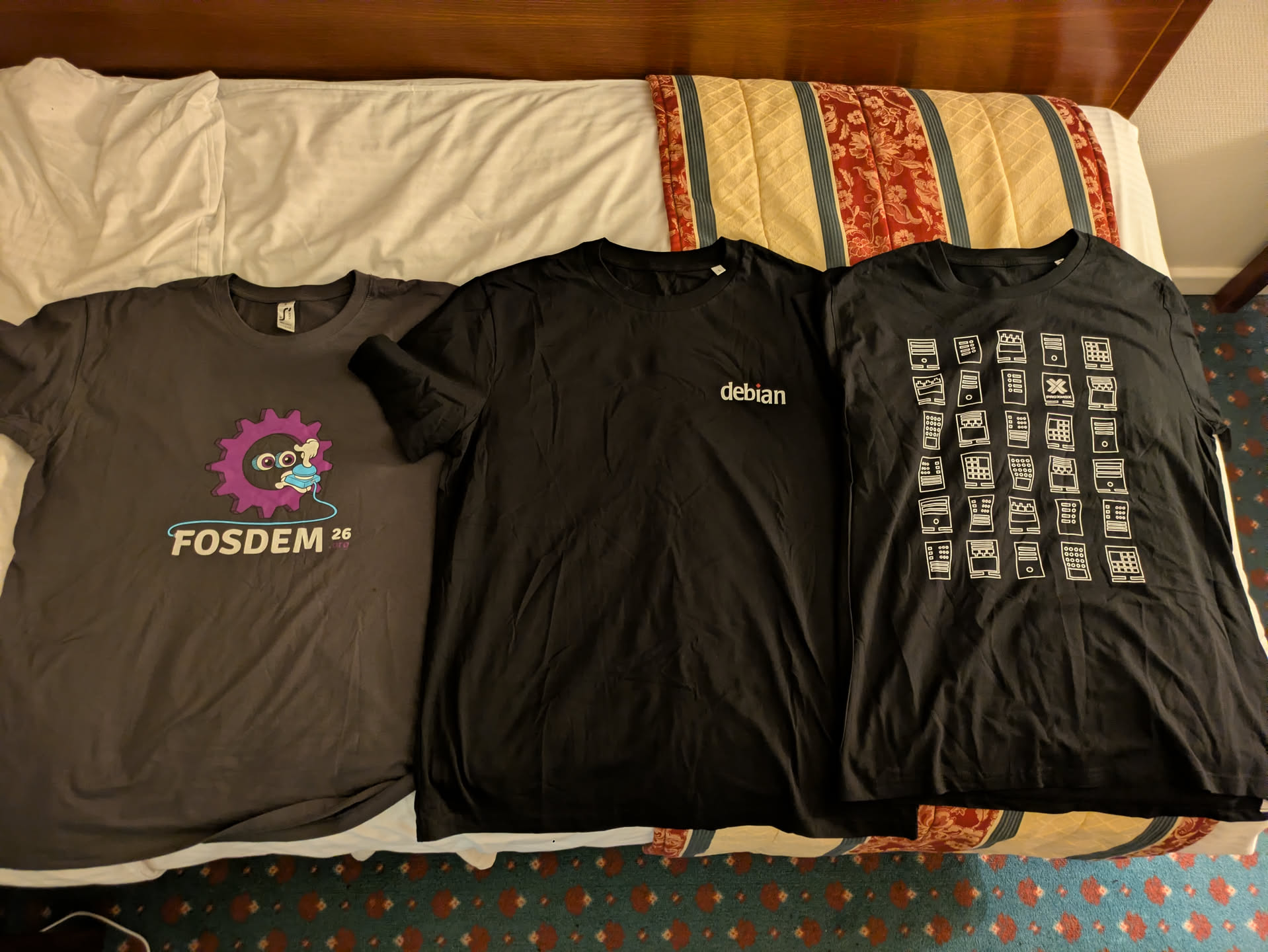
Collect the stickers you like the most. FOSDEM is legendary for its stickers and gadgets and resisting them is futile.
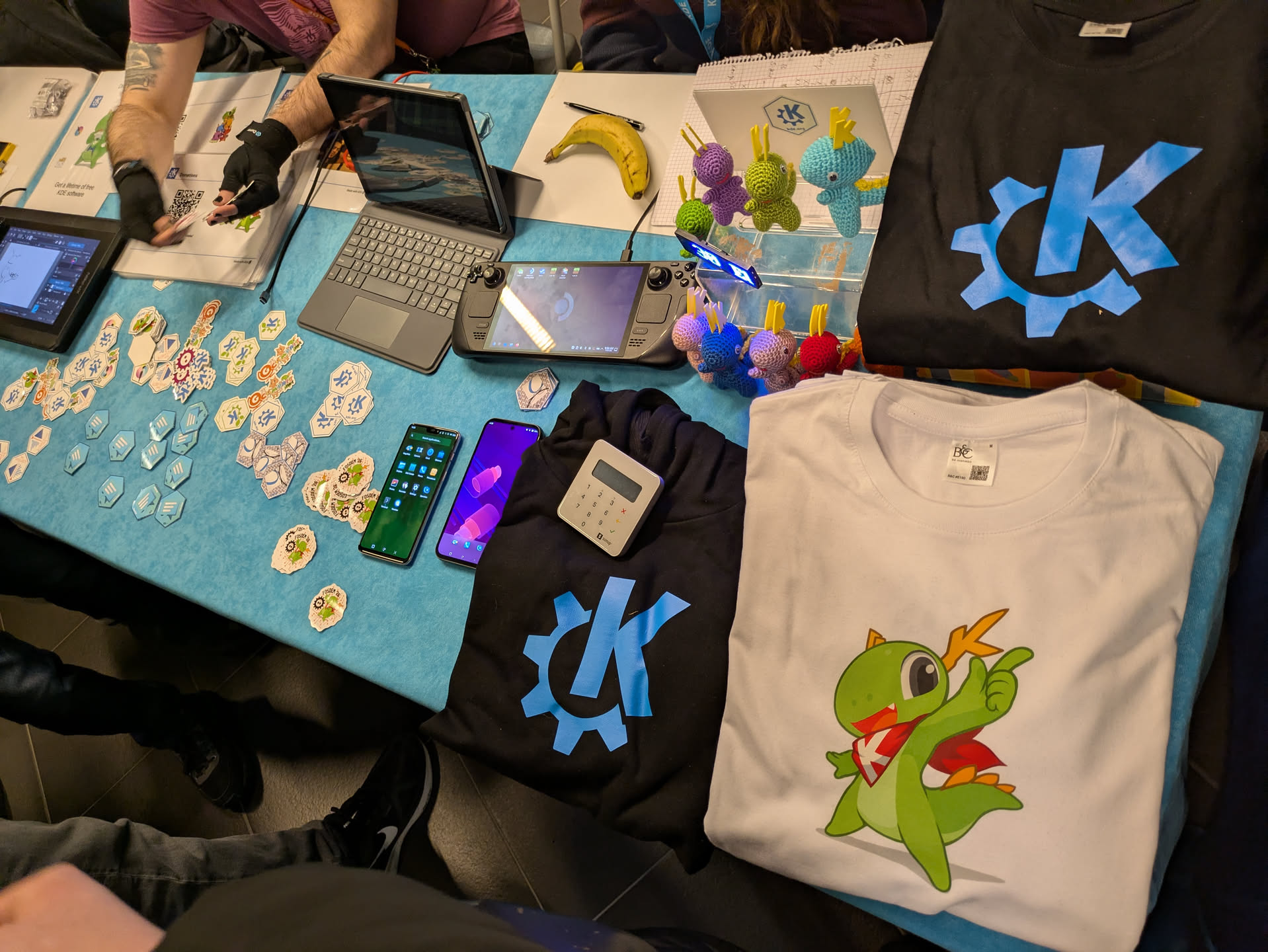
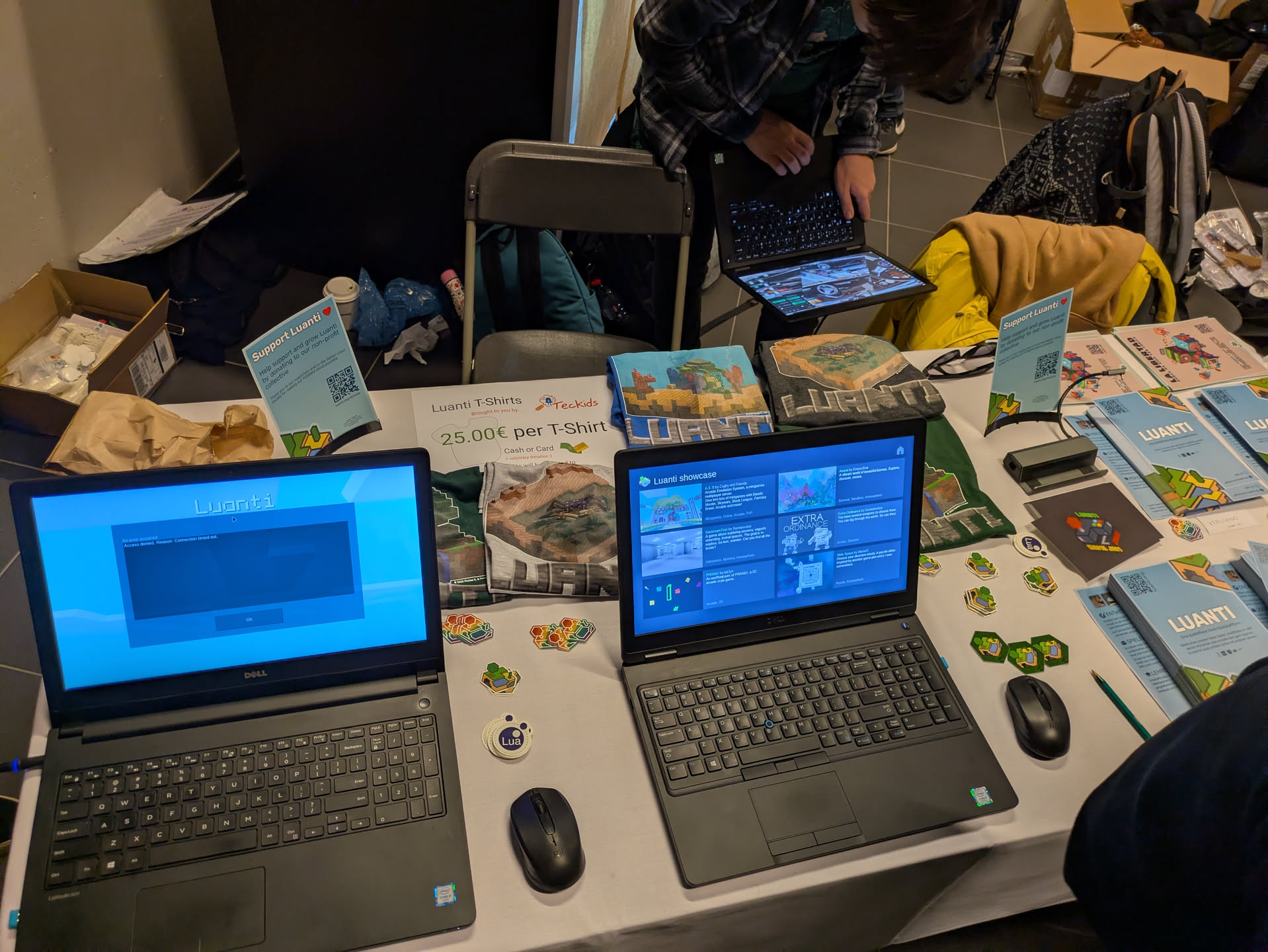
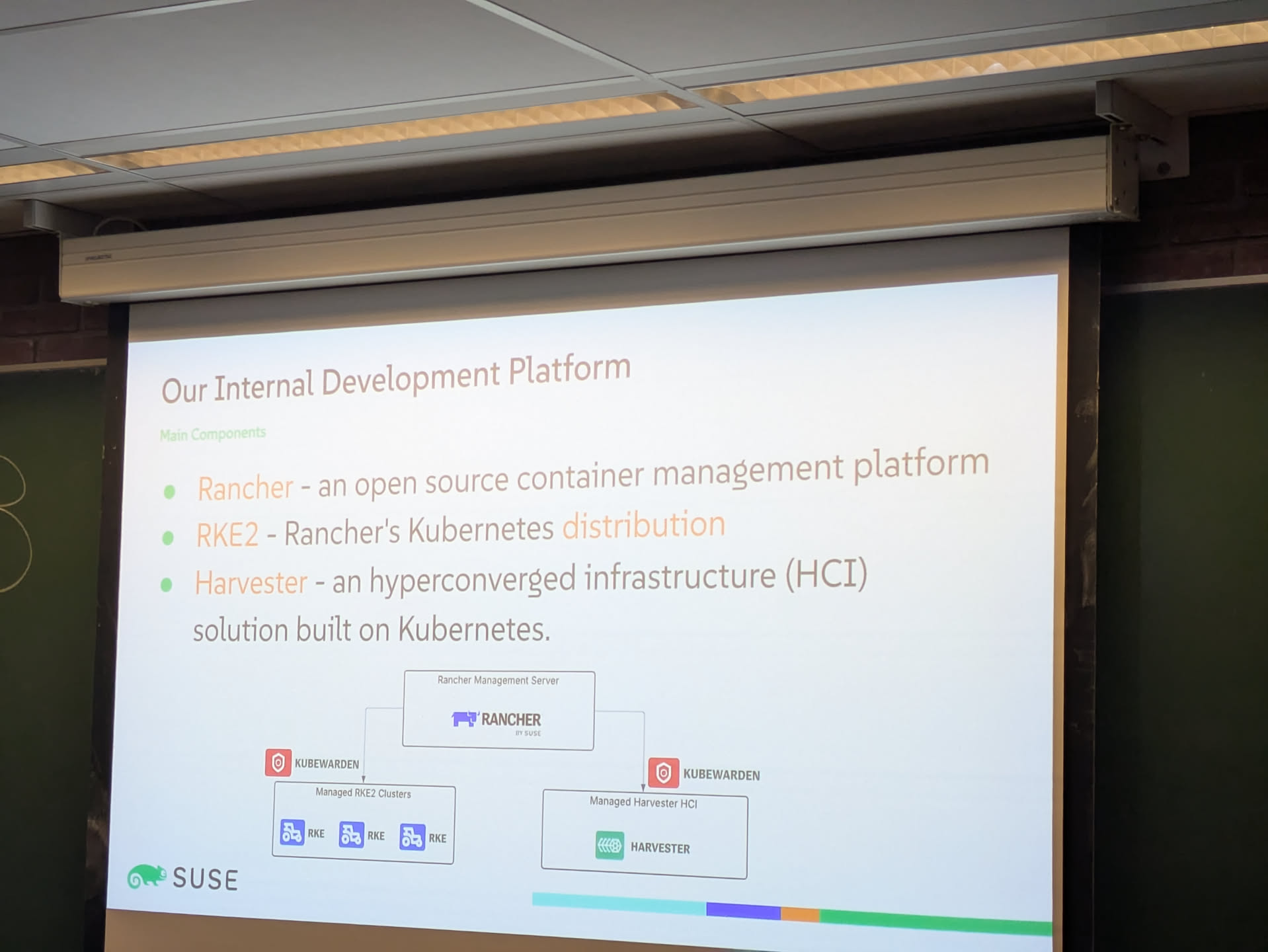
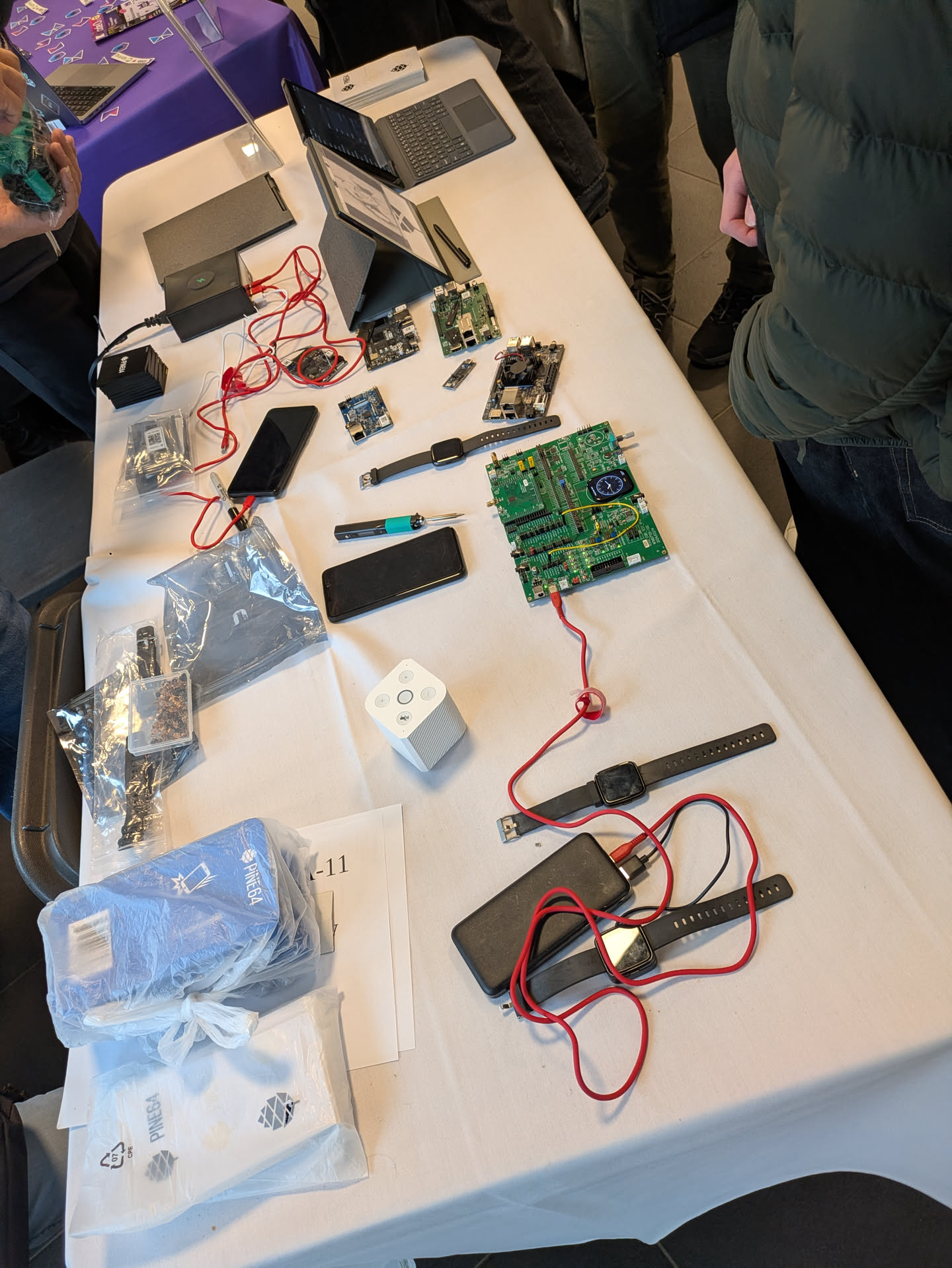
You can find some pictures of the stands at the end of the article.
Food
You can eat directly on the university campus. There are many food trucks offering burgers (including vegan options), fries, waffles, cookies, coffee and other essentials required to keep a developer functional.
Be careful though, there are thousands of people at the event, which means there are always long lines. If you go at peak times, you might wait up to one hour for food. Hunger-driven debugging is not recommended.
Take home: aim to eat before 1:00 PM or after 2:30 PM if you want to spend less time in line and more time doing literally anything else.
Fringe events
One important part of the FOSDEM experience happens outside the campus.
During the FOSDEM weekend, there are numerous fringe events organized all around Bruxelles. Many communities and projects take advantage of the huge concentration of contributors and users to organize dinners, informal meetups, or simply go out for a beer together. Think of it as the social layer on top of the technical stack.
I joined The Document Foundation community dinner, which was a great opportunity to meet contributors and maintainers in a much more relaxed setting. I also heard that the Debian community organized a similar dinner and several other projects did the same. In many cases, these events are announced informally, through mailing lists, chats or just word of mouth.
Some places become unofficial FOSDEM hubs during the weekend. The Delirium pub, for example, was one of the busiest spots, full of developers discussing everything from packaging systems, politics to the meaning of life, usually in that order.
Take home: keep your ears open and do not be afraid to ask around. Fringe events are one of the best ways to meet amazing people, have meaningful conversations and build connections. I ended up chatting with many interesting folks in pubs, proving once again that some of the best networking happens far away from a conference room and very close to a beer.
Conclusion
If you are a FOSS enthusiast, contributor or simply curious about the open source ecosystem, I strongly recommend attending FOSDEM at least once. It is a unique opportunity to immerse yourself in the community, learn from others and connect with people from all over Europe and the world.
For me, it was an intense, inspiring and slightly exhausting experience, in the best possible way. I will definitely try to attend again and next time I will book the hotel and flight earlier.
Enjoy some pictures from the event below. I tried to avoid capturing faces, so you will mostly see stands, booths and talks.