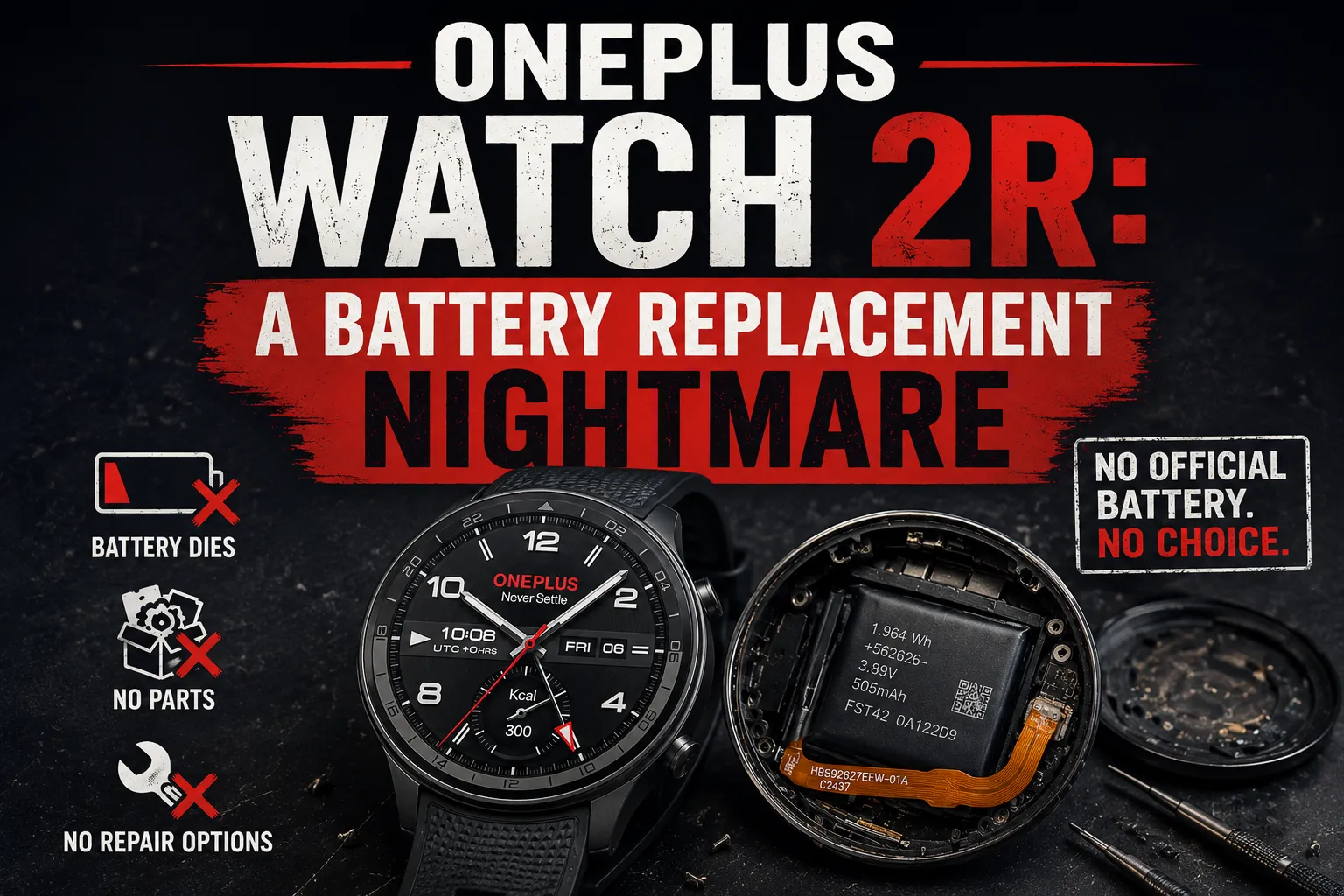
This post is a bit different from the usual content on this blog: it’s a personal story about repairability and the frustration of not being able to fix a device that still has plenty of life left in it.
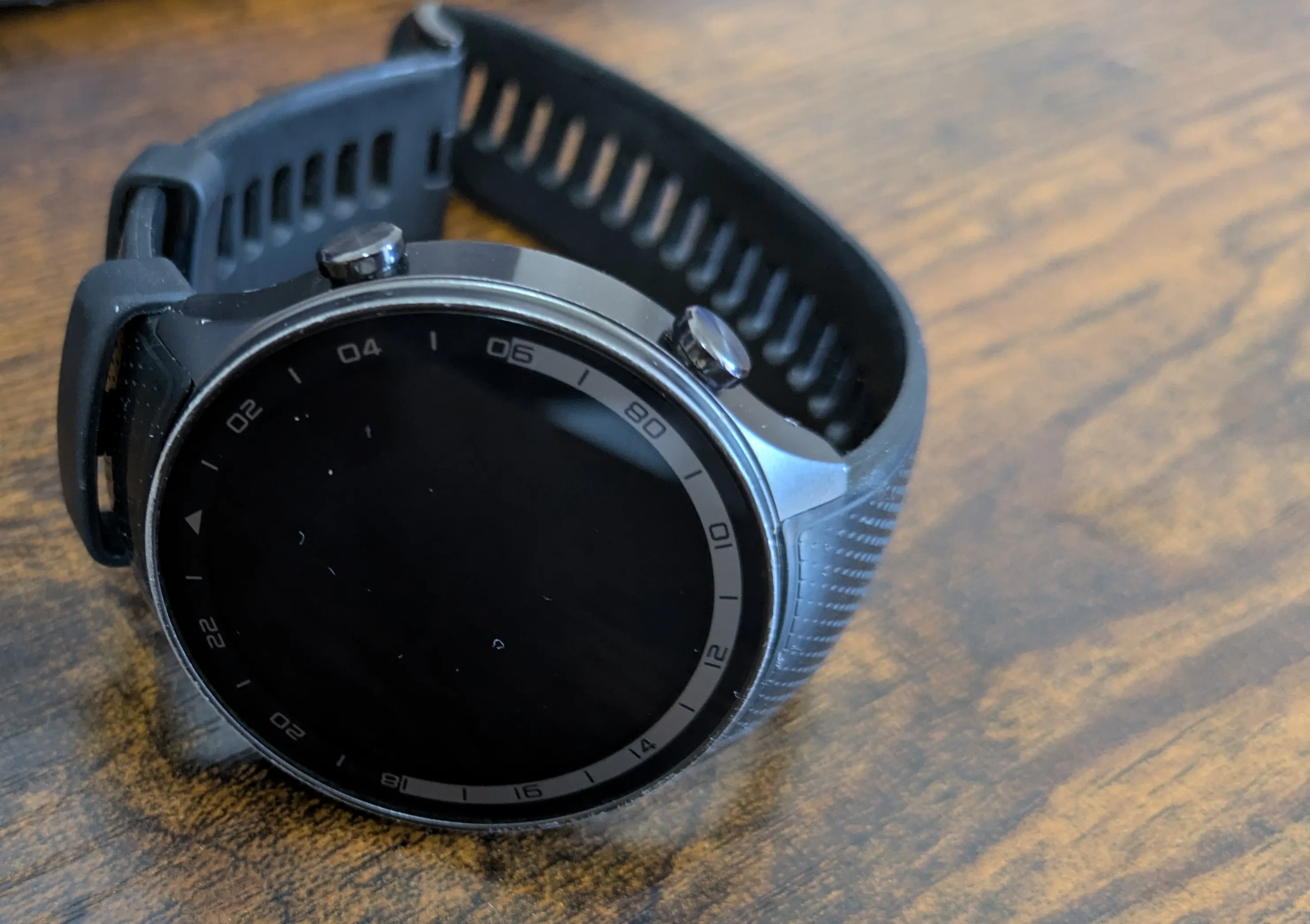
In 2024 I bought a new OnePlus Watch 2R, a WearOS smartwatch that I used mostly to monitor my glycemic levels on my wrist (there are multiple ways to do so, like XDrip+ or similar apps) and to track rest time while I’m at the gym. It turned out to be so useful and convenient that I quickly couldn’t imagine going without it.
Unfortunately, over the last month, something strange started to happen: the battery drain became unusually high. This was not normal behavior for this smartwatch, which typically lasts 2 to 3 days on a single charge. At first I thought it was just natural battery degradation, but then things got worse: the charge stopped reaching 100% and would plateau around 30 to 45%, refusing to go any higher.
At that point the battery was clearly the culprit, so I started looking for a replacement.
That’s when I hit a wall: no official replacement parts are available. The only option from OnePlus is to send the device to their official repair service .
I didn’t want to go that route (the current value of that watch is around 100 euros). I have experience replacing parts on laptops, smartphones, tablets and similar devices, so I was looking for a DIY-friendly solution. I searched on AliExpress using queries like “OnePlus Watch 2R battery” but found nothing.
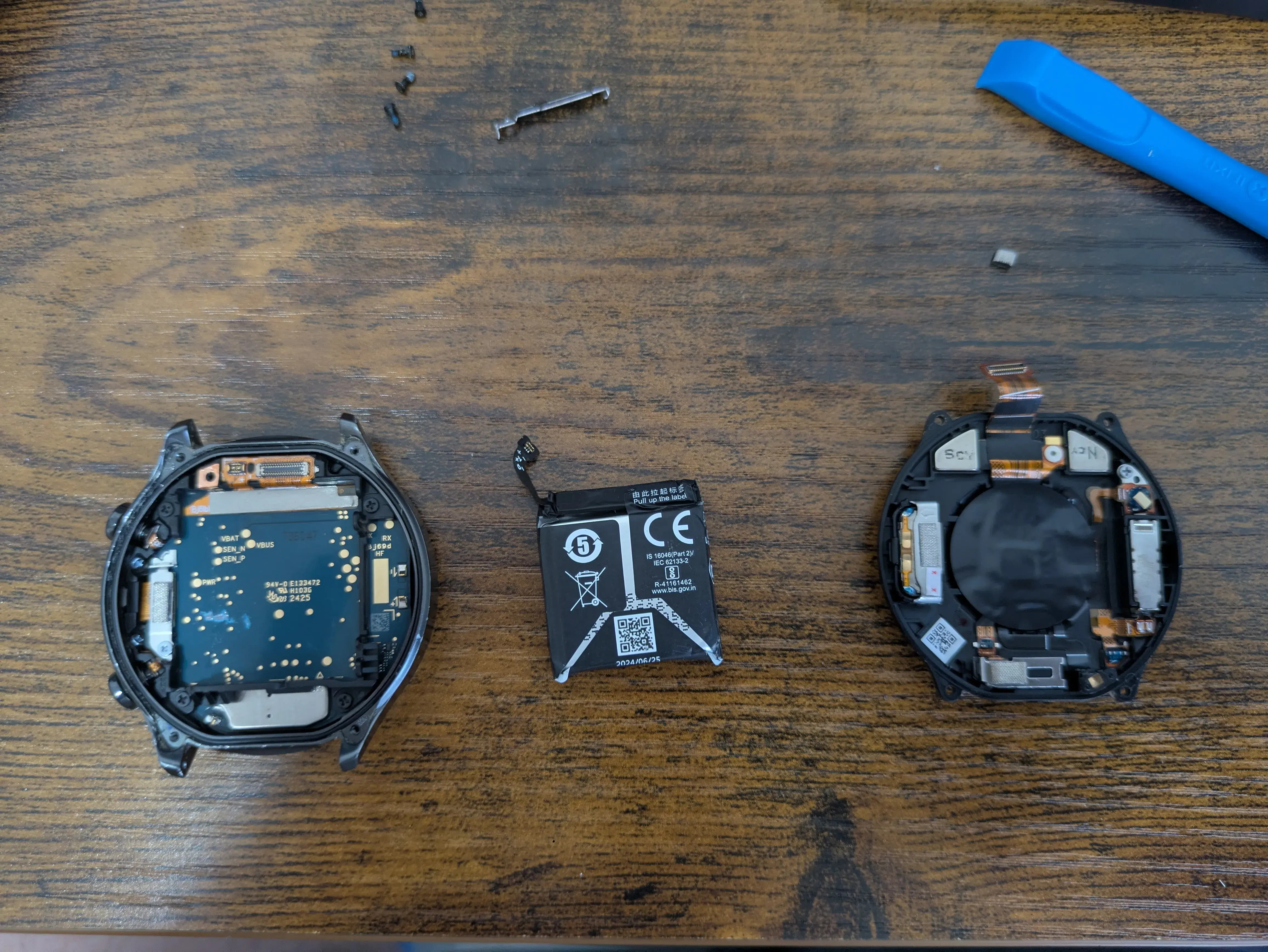
That got me curious: what battery does this smartwatch actually use? The only reliable way to find out was to take it apart and read the label. No iFixit guides exist for this model, so I decided to open it up anyway, figuring it couldn’t be too different from other smartwatches I had taken apart before.
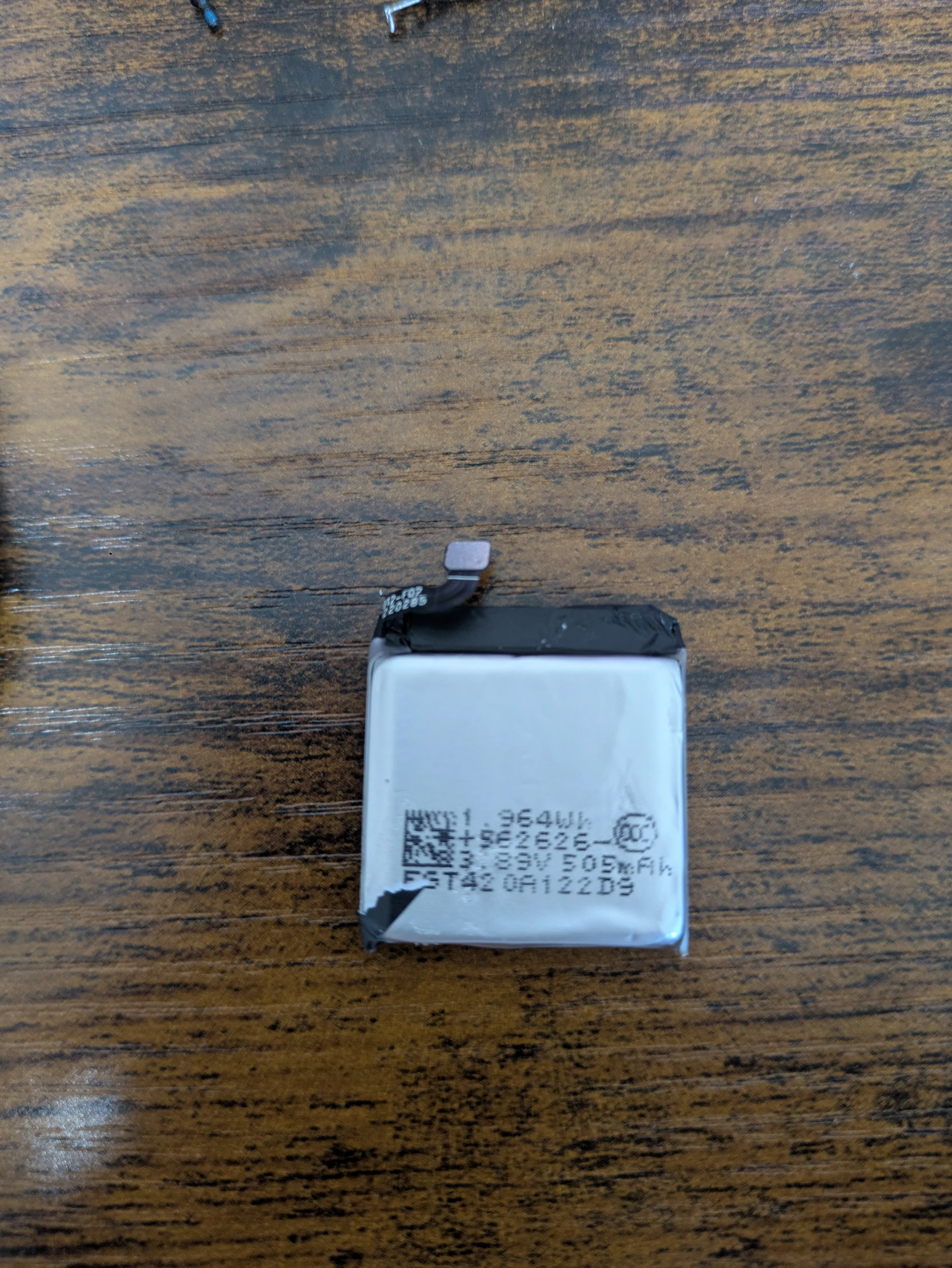
As expected, the teardown wasn’t particularly complicated and I was able to identify the battery specifications. The label shows:
- 1.964 Wh
- +562626- (not sure what this string is for)
- 3.89V
- 505mAh
- FST42 0A122D9 (possibly the battery serial number)
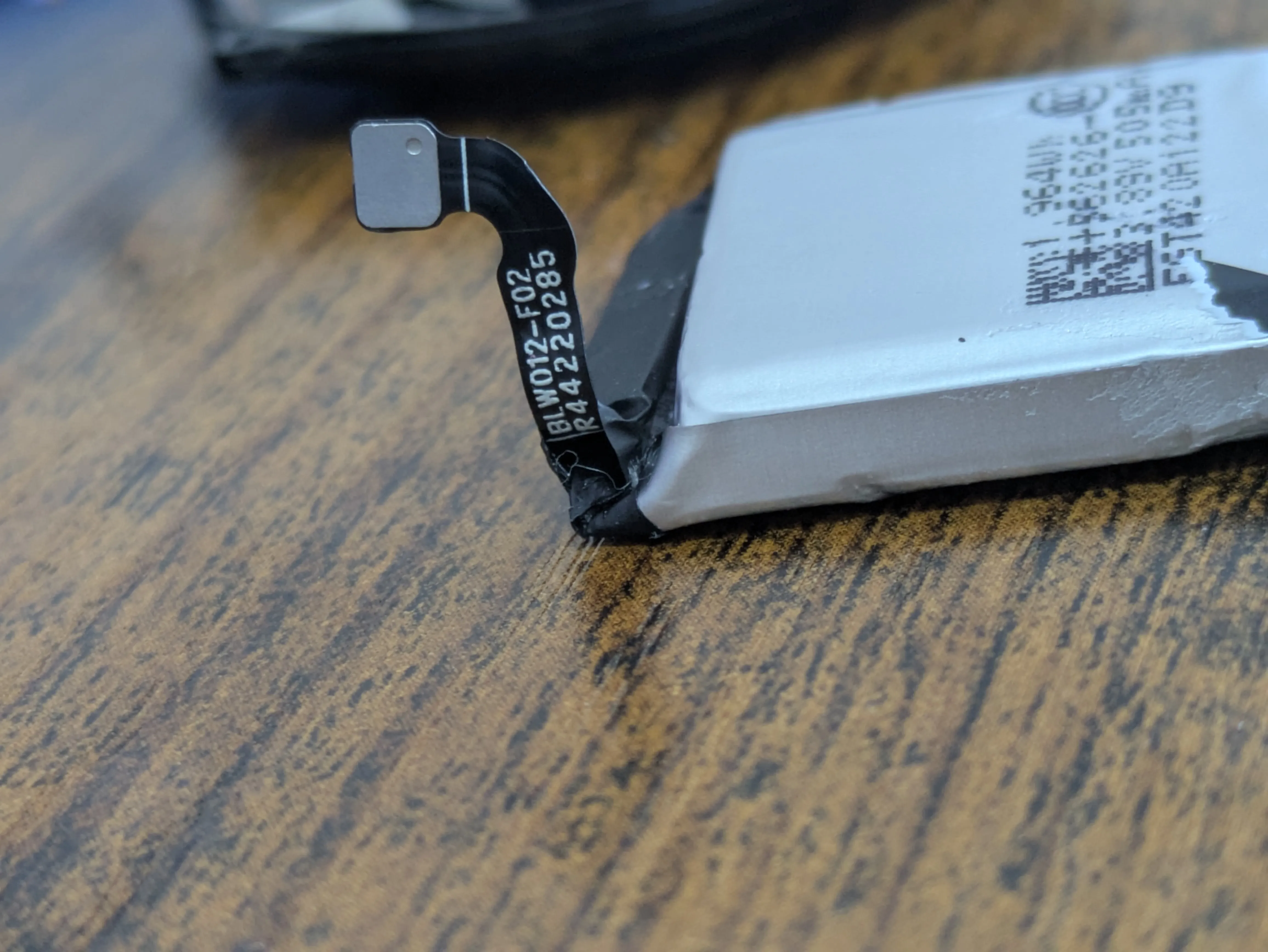
The ribbon cable connecting the battery to the motherboard also had another string printed on it, which I suspect is a model number (see the photos at the end of this post).
I searched using all of these details, but still couldn’t find a compatible replacement. The closest match I found, using the model number on the ribbon cable, was a battery listed for a different smartwatch and priced at around 22 euros. It appeared incompatible because the connector is positioned differently from the original battery.
For now, I’ll keep the watch in a drawer and hope a compatible battery turns up eventually. If not, I’ll have no choice but to discard it, even though until this point it was working perfectly for everything I needed.
In the end, I mainly use the smartwatch for three things: monitoring my glycemic levels without taking my phone out, tracking rest time at the gym and receiving notifications for calls. That’s it. A full WearOS device costs more than I actually need and I barely use the extra features, so switching to something more affordable and repairable seems like the right move.
For these reasons I think I’ll start looking for a smartwatch or smartband that lets me view my glycemic values on my wrist with a lower budget, without relying on Google (so no WearOS). I’m considering an Amazfit device paired with GadgetBridge and WatchDrip . That would let me achieve two things:
- Break free from Google Play Services entirely (at least for the smartwatch part), keeping my data away from Google as much as I can
- Use open source tools for maximum freedom and flexibility over the device
In an era where the Right to Repair is gaining momentum, stories like this are a reminder that the problem is real and we should support every initiative to help solve it. Companies should be urged to sell replacement parts for the devices they produce: it would reduce e-waste, extend product lifespans and give users the freedom to repair their own devices in a DIY-friendly way.
Until then, happy repairing…when you can!